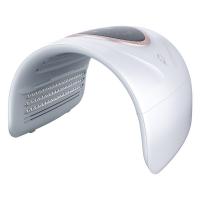
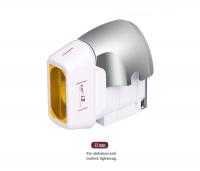
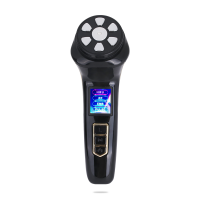
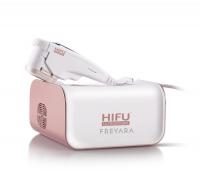
Professional HIFU Machine Buyer's Guide 2024: How to Choose the Best Non-Invasive Treatment Device_87
The Rising Demand for Professional HIFU Machines
The global aesthetic device market is projected to reach $28.3 billion by 2027 (Grand View Research), with HIFU technology driving 23% of this growth. As clinics seek non-surgical alternatives to traditional facelifts, professional HIFU machines have emerged as the gold standard for non-invasive skin tightening and lifting.
Key Challenges Buyers Face
- Navigating technical specifications between medical and beauty-grade devices
- Identifying genuine FDA/CE certifications among counterfeit products
- Understanding energy delivery systems (focused vs fractional HIFU)
- Evaluating long-term maintenance costs
Comprehensive Buying Guide
| Feature | Professional HIFU | Consumer HIFU |
|---|---|---|
| Energy Output | 5-10mm depth | 1-3mm depth |
| Treatment Areas | Face/body contouring | Facial only |
7 Must-Check Features for Clinic-Grade HIFU Machines
- Dual-layer transducer technology
- Real-time temperature monitoring
- Adjustable depth penetration (3.0/4.5/6.0mm)
- FDA 510(k) clearance
Technical Deep Dive
Modern professional HIFU systems utilize 1-10MHz frequencies to create 60-70°C thermal coagulation points at precise depths. The treatment protocol typically involves:
- Pre-treatment mapping with 3D imaging
- Gradual energy ramp-up technology
- Post-treatment cooling systems
Manufacturing Standards Comparison
| Standard | Coverage |
|---|---|
| IEC 60601-1 | Electrical safety |
| ISO 13485 | Quality management |
Industry Trends
North America dominates 42% of the professional HIFU market, while Asia-Pacific shows 18% YoY growth (Statista 2023). Emerging trends include:
- Combination systems with RF and cryotherapy
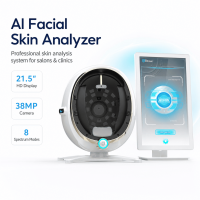
- AI-powered treatment planning
- Eco-friendly disposable tips
FAQ Section
Q: Can HIFU treat double chins?
A: Yes, when using 4.5mm transducers with ≥200 lines treatment protocol.
Q: What certifications are mandatory?
A: FDA Class II for US, CE Class IIa for Europe, KFDA for South Korea.
Q: How to handle customs clearance?
A: Requires HS code 901890 with medical device import license in most countries.