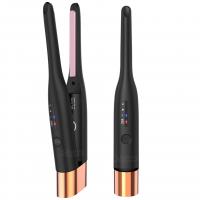
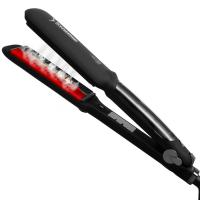
Professional Hair Straightener Ultimate Guide 2024: How to Choose the Best Flat Iron_34
The Ultimate Guide to Professional Hair Straighteners in 2024
The global hair care tools market is projected to reach $32.5 billion by 2027, with professional hair straighteners driving 28% of sales growth according to Statista. For salon owners, stylists, and beauty enthusiasts, choosing the right flat iron impacts both styling results and hair health. This comprehensive guide will walk you through key purchasing factors, technical specifications, and emerging industry trends to help you make informed decisions.
Professional Hair Straightener Buying Guide
| Feature | Professional Grade | Consumer Grade |
|---|---|---|
| Plate Material | Tourmaline ceramic/titanium | Basic ceramic |
| Temperature Range | 300°F-450°F | 250°F-400°F |
| Heat Recovery | <5 seconds | 15-30 seconds |
7 Must-Check Features for Salon-Quality Straightening
- Adjustable digital temperature control
- Ionic technology for frizz reduction
- 1.5"-2" floating plates
- Swivel cord with 360° rotation
- Auto shut-off safety
- Negative ion emission rate >5000 ions/cm³
- CE/UL/FCC certifications
Technical Deep Dive
Modern professional straighteners utilize advanced heating systems with PTC (Positive Temperature Coefficient) technology that maintains ±5°F accuracy. For thick, coarse hair, titanium plates heat faster (reaching 400°F in 30 seconds) while ceramic provides gentler styling for fine hair.
How Professional Straighteners Prevent Heat Damage
High-end models incorporate multiple protective features:
- Infrared heat distribution
- Argan oil coating
- Dynamic pressure sensors
Industry Trends and Compliance
The EU's new Ecodesign Regulation (2023/814) requires all hair tools sold in Europe to meet energy efficiency standards. North American buyers increasingly demand RoHS-compliant models with lead-free components. Emerging markets show 42% YOY growth in premium straightener sales (Global Beauty Insights).
FAQ Section
Can professional straighteners be used on wet hair?
Only with specific steam function models (look for JIS S-prefix certification). Most professional tools require completely dry hair to prevent bubbling damage.
What certifications should importers verify?
Essential certifications include:
- UL 859 (North America)
- EN 60335-2-23 (Europe)
- IEC 62321 (global hazardous substances)