
Hair Straightener Ultimate Guide 2024: How to Choose the Best Professional Flat Iron_68
Hair Straightener Ultimate Guide 2024: How to Choose the Best Professional Flat Iron
The global hair straightener market is projected to reach $1.2 billion by 2025, with professional-grade tools driving 60% of sales. Consumers face three core challenges: finding durable plates, precise temperature control, and salon-quality results at home. This guide will walk you through technical specifications, compare leading technologies, and reveal 2024's top-performing models.
Hair Straightener Buying Guide: 7 Must-Check Features
When evaluating professional flat irons, consider these critical factors:
| Feature | Ceramic | Tourmaline | Titanium |
|---|---|---|---|
| Heat Distribution | Good | Excellent | Best |
| Ion Production | Low | High | Medium |
Temperature Control Checklist
- Adjustable settings (300-450°F range)
- Digital display for precision
- Auto-shutoff safety feature
Technical Deep Dive: How Hair Straighteners Work
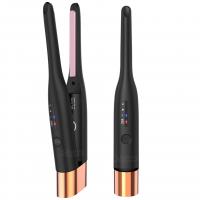
Modern flat irons use three heating technologies:

1. Ceramic plates: Even heat for fine hair
2. Tourmaline: Negative ions reduce frizz
3. Titanium: Fastest heat-up for thick hair
Industry Trends: What Buyers Want in 2024
European markets prefer 220V dual-voltage models, while US buyers prioritize wide plates. New EU regulations require RoHS compliance for all heating elements.
FAQ
Q: Can I use hair straighteners on wet hair?
A: Only with specific steam function models. Most require completely dry hair.
Q: What certifications matter for export?
A: Look for CE, UL, and GS marks depending on target markets.