LED Light Therapy Device Ultimate Guide 2024: How to Choose the Best Skin Care Solution_99
The Rising Demand for LED Light Therapy
The global LED light therapy market is projected to reach $1.2 billion by 2027, growing at 15.3% CAGR according to Grand View Research. As consumers increasingly seek non-invasive skincare solutions, LED light therapy devices have emerged as a revolutionary technology combining dermatological science with home convenience.
Understanding the Core Pain Points
Most buyers struggle with three key challenges: distinguishing medical-grade devices from cosmetic ones, understanding wavelength specifications, and evaluating treatment protocols for different skin conditions. This guide will provide comprehensive solutions through:
- Detailed purchasing checklist
- Technology comparison charts
- Clinical efficacy analysis
- Latest industry standards
Comprehensive Buying Guide
LED vs Alternative Therapies
| Feature | LED Therapy | Laser | IPL |
|---|---|---|---|
| Pain Level | None | Moderate | Mild |
| Downtime | None | 3-7 days | 1-2 days |
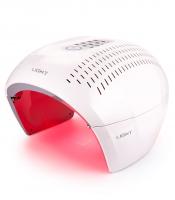
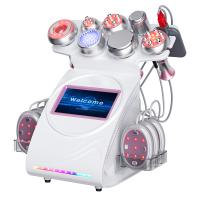
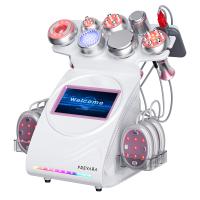
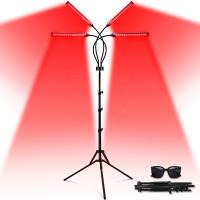
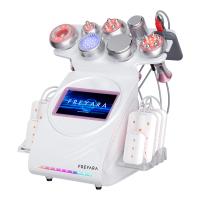
7 Must-Check Features for Professional LED Facial Machines
- FDA clearance status
- Medical-grade diodes (not cosmetic)
- Multiple wavelength options (415nm-850nm)
Technical Deep Dive
Modern LED devices utilize specific wavelengths:
How Different Wavelengths Work
- Blue light (415nm): Acne treatment
- Red light (633nm): Collagen production
Industry Trends
The European market shows 22% higher adoption of professional devices compared to North America's preference for home systems. New IEC 60601 standards will take effect in Q3 2024.
FAQ Section
Can LED therapy help with rosacea?
Clinical studies show red light at 633nm significantly reduces inflammation in mild to moderate cases.