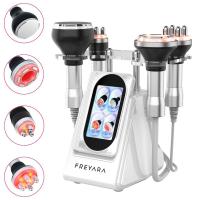
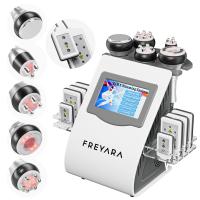
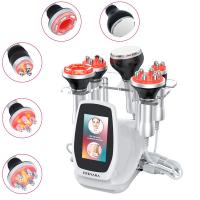
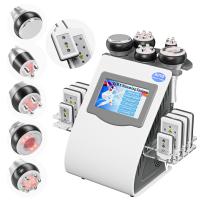
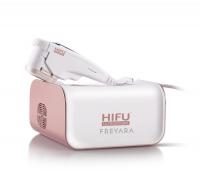
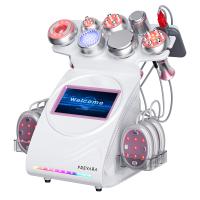
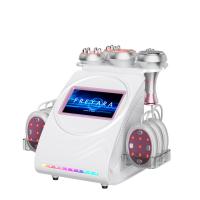
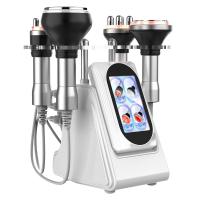
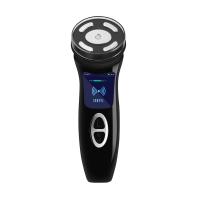
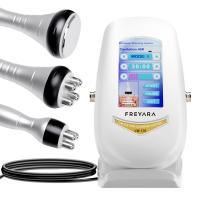
High Frequency Cavitation Machine Ultimate Guide 2024: How to Choose the Best Body Sculpting Device_88
The Complete Guide to High Frequency Cavitation Machines in 2024
The global market for non-invasive fat reduction devices is projected to reach $1.5 billion by 2025, with high frequency cavitation machines leading this growth. As more consumers seek alternatives to surgical procedures, understanding these advanced body contouring solutions becomes essential for both beauty professionals and home users.
Why High Frequency Cavitation Machines Are Revolutionizing Body Sculpting
Traditional fat reduction methods often involve painful procedures with extended recovery times. High frequency cavitation technology offers a non-surgical solution that breaks down fat cells through ultrasonic waves, making it one of the most sought-after aesthetic devices today.
Purchasing Guide: How to Select the Perfect Cavitation Machine
| Feature | Professional Grade | Home Use |
|---|---|---|
| Frequency Range | 40-60kHz | 30-40kHz |
| Treatment Area | Full body | Localized |
| Session Duration | 15-30 minutes | 30-45 minutes |
7 Must-Check Features for Professional Cavitation Machines
- Medical-grade stainless steel handpiece
- Adjustable frequency settings
- Overheat protection
- FDA/CE certification
- Multiple handpiece options
- Digital display interface
- Warranty coverage
Technical Deep Dive: How Cavitation Technology Works
The science behind high frequency cavitation involves creating microscopic bubbles in fat tissue through ultrasonic waves. When these bubbles collapse, they break down fat cell membranes without damaging surrounding tissues. Modern machines typically operate at frequencies between 30-60kHz, with professional models offering precise control over energy output.
Manufacturing Standards You Should Know
Reputable manufacturers adhere to ISO 13485 medical device standards and obtain FDA clearance or CE certification. The best machines use German or Japanese ultrasonic transducers for consistent performance.
Industry Trends and Regional Demand
North America currently dominates the cavitation machine market with 38% share, while Asia-Pacific shows the fastest growth at 12% CAGR. New developments include hybrid machines combining RF and cavitation technologies, as well as portable devices with Bluetooth connectivity for treatment tracking.
Frequently Asked Questions
Is high frequency cavitation safe for all skin types?
While generally safe for most skin types, individuals with certain medical conditions should consult a physician. The treatment isn't recommended for pregnant women or people with pacemakers.
What certifications should I look for?
Essential certifications include FDA (for US market), CE (for Europe), and RoHS compliance. Some premium models may also have ISO 9001 certification.
How does customs clearance work for these devices?
Most cavitation machines require specific HS codes (usually 9019.20) and may need additional documentation like certificates of origin. Working with experienced beauty equipment suppliers can simplify this process.