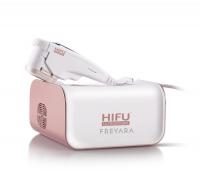
HIFU Ultrasound Machine Ultimate Guide 2024: How to Choose the Best Non-Invasive Treatment Device_67
The Complete Guide to HIFU Ultrasound Machines in 2024
The global HIFU market is projected to reach $1.2 billion by 2027, growing at 12.3% CAGR according to Grand View Research. As demand for non-invasive cosmetic treatments surges, HIFU (High-Intensity Focused Ultrasound) technology has emerged as the gold standard for skin tightening and facial rejuvenation. This comprehensive guide will help you navigate the complex world of HIFU machines, whether you're a clinic owner, esthetician, or wellness entrepreneur.
HIFU Machine Buying Guide: 7 Critical Factors
When investing in a HIFU ultrasound machine, these are the essential specifications to evaluate:
| Feature | Professional Grade | Home Use |
|---|---|---|
| Frequency Range | 4-7 MHz | 1-3 MHz |
| Depth Penetration | 1.5-4.5mm | 0.5-2mm |
| Transducer Types | 3-5 options | Single option |
Must-Check Features:
- FDA/CE certification for safety
- Adjustable energy levels (0.5-3.0 Joules)
- Real-time temperature monitoring
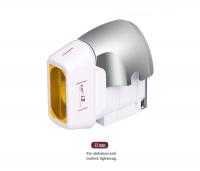
- Multiple transducer sizes
- Dual-layer skin protection
- Treatment area calibration
- After-sales service package
Technical Deep Dive: How HIFU Machines Work
Modern HIFU devices deliver focused ultrasound energy at precise depths:

The ultrasound waves create thermal coagulation points at specific tissue layers (SMAS, dermis, or subcutaneous) without damaging surrounding areas. Key technical parameters include:
- Focal length: 1.5mm-4.5mm
- Pulse duration: 50-200ms
- Treatment lines: 300-800 per session
Industry Trends and Regional Demand
North America dominates 38% of the HIFU market share, while Asia-Pacific shows the fastest growth at 15.2% annually. Notable developments include:
- Portable HIFU devices gaining popularity
- Combination systems with RF and cryotherapy
- Stricter EU MDR compliance requirements
FAQ Section
Q: Can HIFU replace surgical facelifts?
A: While providing noticeable lifting effects, HIFU works best for early-to-moderate skin laxity. Severe cases may still require surgery.
Q: What certifications should I verify?
A: Look for FDA 510(k), CE Class IIa, and ISO 13485 certifications for medical-grade devices.
Q: How to handle customs clearance?
A: Most countries classify HIFU machines as medical devices requiring import permits. Work with suppliers who provide full documentation.