HIFU Therapy Ultimate Guide 2024: How to Choose the Best Non-Surgical Face Lift_96
The Complete Guide to HIFU Therapy: Your Non-Surgical Solution for Youthful Skin
The global HIFU market is projected to reach $1.2 billion by 2027, growing at 13.8% CAGR according to Grand View Research. As consumers increasingly seek non-invasive cosmetic procedures, High-Intensity Focused Ultrasound (HIFU) has emerged as the gold standard for non-surgical skin tightening. This comprehensive guide will walk you through everything from device selection to treatment protocols, helping you make informed decisions whether you're a clinic owner or aesthetic practitioner.
HIFU Therapy Buying Guide: What Professionals Look For
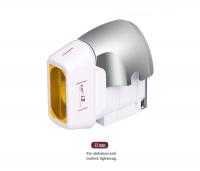
When investing in HIFU equipment, these 7 features separate professional-grade devices from inferior alternatives:
| Feature | Professional Device | Consumer Device |
|---|---|---|
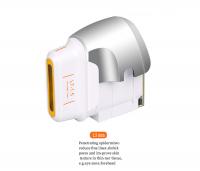
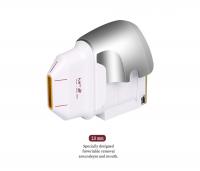
| Depth Penetration | 4.5mm-13mm | 1.5mm-3mm |
| Energy Output | 0.5-2.0 Joules | 0.1-0.3 Joules |
Case Study: New York dermatology clinic increased patient retention by 40% after upgrading to FDA-cleared Ultraformer III with dual-depth transducers.
Technical Breakdown: How HIFU Stimulates Collagen

The ultrasound waves create thermal coagulation points at precise depths:
- 65°C temperature triggers neocollagenesis
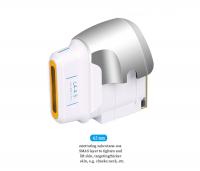
- SMAS layer lifting requires ≥4.5mm depth
- Optimal frequency range: 2-10MHz
2024 Market Trends: Regional Demand Analysis
North America dominates 38% market share (Statista), while Southeast Asia shows fastest growth at 19% YoY. New EU MDR regulations now require CE Class IIb certification for all aesthetic ultrasound devices.
HIFU FAQ
Is HIFU safe for dark skin types?
Fitzpatrick IV-VI skin requires specialized transducers with melanin detection to prevent hyperpigmentation.
What's the typical treatment protocol?
Most practitioners recommend 3 sessions spaced 6-8 weeks apart for optimal collagen remodeling.