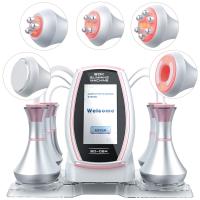
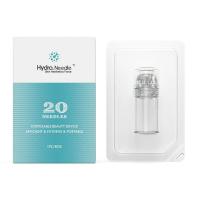
HIFU Fat Reduction Ultimate Guide 2024: How to Choose the Best Non-Invasive Treatment_35
The Complete Guide to HIFU Fat Reduction in 2024
The global non-invasive fat reduction market is projected to reach $14.9 billion by 2027, with HIFU technology leading this growth. As consumers increasingly seek alternatives to liposuction, understanding HIFU fat reduction becomes essential for both practitioners and patients. This comprehensive guide will walk you through everything from technology fundamentals to purchasing considerations for the best results.
HIFU vs Alternative Fat Reduction Methods
When comparing fat reduction technologies, HIFU stands out for its precision and safety profile. Unlike cryolipolysis which freezes fat cells or laser lipolysis that uses heat, HIFU (High-Intensity Focused Ultrasound) delivers focused ultrasound energy to disrupt fat cells without damaging surrounding tissues.
| Technology | Mechanism | Downtime | Results Timeline |
|---|---|---|---|
| HIFU | Ultrasound cavitation | None | 2-3 months |
| Cryolipolysis | Fat freezing | Mild redness | 3-4 months |
| RF | Radiofrequency | None | 6-8 weeks |
7 Must-Check Features When Buying HIFU Equipment
Whether you're a clinic owner or aesthetic practitioner, these essential features separate professional-grade HIFU machines from inferior alternatives:
- FDA-cleared or CE-marked for fat reduction
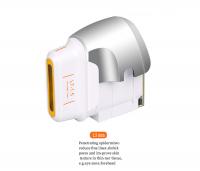
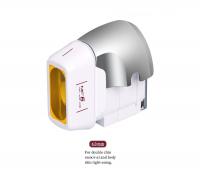
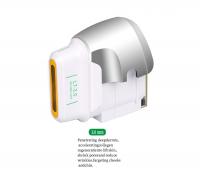
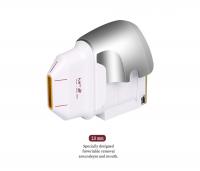
- Adjustable depth penetration (3.0mm-13mm)
- Real-time temperature monitoring
- Minimum 5MHz transducer frequency
- Dual-mode operation (focus/defocus)
- Integrated cooling system
- Clinical study documentation
Technical Specifications Demystified
Understanding HIFU parameters ensures optimal treatment outcomes. The key technical aspects include:

Energy density (typically 50-100J/cm²) determines treatment intensity, while focal depth should match the adipose layer thickness. Most systems offer 3-5mm spacing between treatment lines for comprehensive coverage without overlap.
Global Market Trends and Regulations
The U.S. dominates HIFU adoption with 42% market share, followed by Europe at 31%. Emerging markets in Southeast Asia show 18% annual growth. Recent FDA guidelines emphasize:
- Maximum surface temperature limits (42°C)
- Mandatory safety shut-off mechanisms
- Clear contraindication labeling
Frequently Asked Questions
Q: Is HIFU safe for abdominal fat reduction?
A: Yes, when performed by certified practitioners using approved devices. The ultrasound energy specifically targets fat cells while sparing skin and muscle tissue.
Q: What certifications should HIFU machines have?
A: Look for FDA 510(k) clearance (US), CE Mark (Europe), or KFDA approval (Korea). ISO 13485 certification indicates quality manufacturing standards.
Q: How many sessions are typically needed?
A: Most patients require 1-3 sessions spaced 4-6 weeks apart, depending on treatment area and desired results.