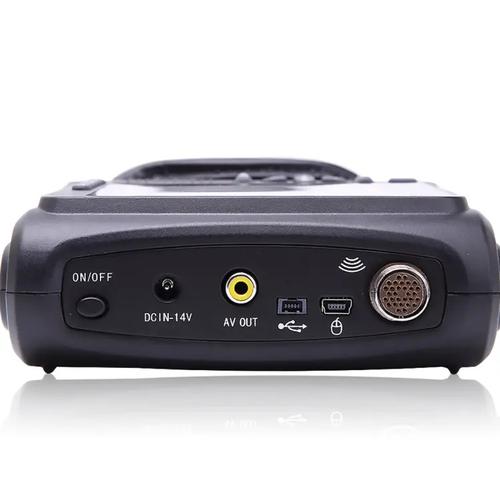
Handheld Ultrasound Machine Ultimate Guide 2024: How to Choose the Best Portable Scanner_54
The Complete Guide to Handheld Ultrasound Machines in 2024
The global handheld ultrasound market is projected to reach $2.8 billion by 2027, growing at 12.4% CAGR according to Grand View Research. This surge reflects healthcare's shift toward portable, point-of-care diagnostic solutions. Yet 68% of medical facilities struggle to identify equipment that balances clinical accuracy with operational flexibility.
Handheld Ultrasound Machine Buying Guide
When evaluating portable ultrasound systems, consider these critical factors:
| Feature | Handheld | Cart-Based |
|---|---|---|
| Portability | ★★★★★ | ★★☆☆☆ |
| Image Quality | ★★★☆☆ | ★★★★★ |
| Battery Life | 4-6 hours | N/A |
7 Must-Check Features for Portable Ultrasound Devices
- Probe frequency range (2.5-10MHz ideal for multipurpose use)
- DICOM compatibility for EHR integration
- IP67 waterproof rating for disinfection
- Real-time Doppler functionality
- Cloud-based image storage
- FDA 510(k) clearance
- Multi-language interface
Technical Specifications Breakdown
Modern handheld ultrasound machines typically feature:
- 128-element phased array transducers
- 16GB internal memory with SD card expansion
- 5-10cm scanning depth capability
- Wi-Fi/Bluetooth connectivity
Leading manufacturers like GE Healthcare and Philips require devices to meet IEC 60601-1 medical electrical equipment safety standards.
Industry Trends and Regional Demand
North America dominates 42% market share (Statista 2023), while Southeast Asia shows fastest growth due to:
- Increasing rural healthcare initiatives
- Rising medical tourism
- Government telemedicine subsidies
New EU MDR regulations now require CE Mark Class IIa certification for diagnostic ultrasound devices.
Frequently Asked Questions
Q: Can handheld ultrasound replace traditional systems?
A: While ideal for emergency and primary care, they complement rather than replace high-end systems for complex diagnostics.
Q: What certifications are mandatory?
A: FDA clearance (US), CE Mark (EU), and NMPA approval (China) are essential for commercial distribution.
Q: How to handle customs clearance?
A: Provide HS code 901812 (diagnostic ultrasound apparatus) with FDA/CE documentation for smooth import processes.