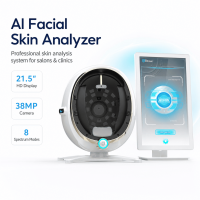
Facial Skin Analysis Machine Ultimate Guide 2024: How to Choose the Best Professional Device_73
The Growing Demand for Facial Skin Analysis Technology
The global skin analysis devices market is projected to reach $1.2 billion by 2027, growing at 8.3% CAGR according to Grand View Research. As consumers become increasingly skincare-conscious, professionals need advanced tools for precise facial assessment. This comprehensive guide examines everything from technical specifications to purchasing considerations for facial skin analysis machines.
Professional vs Consumer Skin Analyzers: Key Differences
| Feature | Professional Machines | Consumer Devices |
|---|---|---|
| Accuracy | Medical-grade precision (±0.5%) | ±5-10% variance |
| Sensors | Multi-spectral imaging (8-12 bands) | RGB cameras only |
| Software | FDA-cleared diagnostic algorithms | Basic analysis apps |
| Connectivity | HIPAA-compliant data integration | Bluetooth/WiFi only |
7 Must-Check Features for Clinical Skin Analysis Machines
- Multi-LED cross-polarized imaging for subsurface analysis
- UV fluorescence detection for sun damage assessment
- 3D topographic mapping with ≥0.1mm resolution
- Moisture/oil/sebum quantitative measurement
- AI-powered comparative analysis database
- DICOM compatibility for medical record integration
- ISO 13485 manufacturing certification
Technical Deep Dive: How Modern Skin Analyzers Work
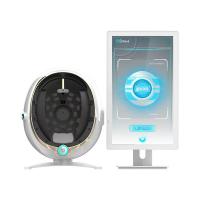
Advanced facial skin analysis machines utilize hyperspectral imaging technology combining:
- Visible light (400-700nm) for surface texture
- UV-A (320-400nm) for pigmentation
- Infrared (700-1200nm) for vascular analysis
The latest models incorporate convolutional neural networks (CNN) that achieve 94.7% diagnostic accuracy according to Journal of Cosmetic Dermatology studies.
Regional Market Trends and Compliance
North America dominates 38% market share due to strict dermatology clinic requirements. Key certifications include:
- FDA Class II medical device (US)
- CE Mark (Europe)
- KFDA (South Korea)
Emerging markets show 12% higher growth rates for portable analyzers used in beauty retail environments.
Frequently Asked Questions
Q: Can facial analysis machines detect skin cancer?
A: While they can identify suspicious lesions, only board-certified dermatologists should make cancer diagnoses. Analysis machines serve as supplemental tools.
Q: What maintenance do these devices require?
A: Professional units need quarterly calibration and lens cleaning. Consumer models typically require no maintenance beyond software updates.
Q: Are there customs restrictions?
A: Devices with medical claims may require special import permits. Always check local medical device regulations before international shipping.