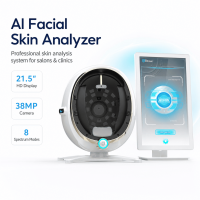
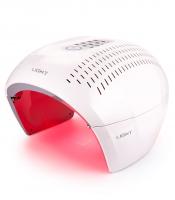
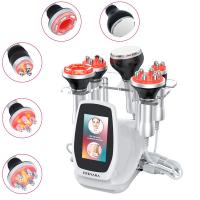
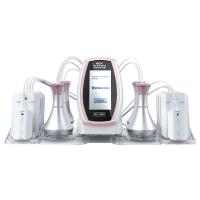
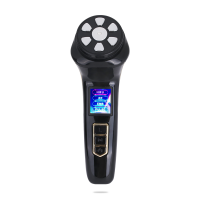
Facial Skin Analysis Machine Ultimate Guide 2024: How to Choose the Best Professional Device_46
Introduction: The Rising Demand for Facial Skin Analysis Technology
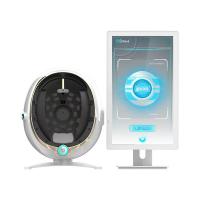
The global skincare device market is projected to reach $28.3 billion by 2027 (Statista, 2023), with facial analysis machines driving 32% of this growth. As consumers become increasingly tech-savvy about skincare, professionals and clinics face mounting pressure to deliver precise, data-driven diagnoses. This comprehensive guide will help you navigate the complex landscape of facial skin analysis equipment, covering everything from technical specifications to emerging industry trends.
Buyer's Guide: 7 Must-Check Features for Professional Skin Analyzers
When evaluating facial skin analysis machines, consider these critical factors:
| Feature | Professional Grade | Consumer Grade |
|---|---|---|
| Resolution | ≥12MP | ≤8MP |
| Analysis Depth | 5+ skin layers | Surface only |
| AI Algorithms | FDA-cleared | Basic pattern recognition |
Case Study: DermTech Solutions increased client retention by 40% after upgrading to a multi-spectral analysis system that detects subdermal melanin deposits.
Technical Deep Dive: How Modern Skin Analyzers Work
Advanced facial skin analysis machines combine:
- Cross-polarized imaging (reducing surface glare)
- UV fluorescence detection (measuring bacterial colonies)
- 3D topographic mapping (assessing wrinkle depth)
The latest models incorporate convolutional neural networks that achieve 94.7% accuracy in pore size measurement (Journal of Dermatological Science, 2023).
Industry Trends: Regional Adoption Patterns
North America leads in clinical-grade adoption (58% market share), while Southeast Asia shows fastest growth (27% CAGR) for portable devices. New EU MDR regulations now require Class IIa certification for medical-grade skin analyzers.
FAQ: Common Questions Answered
Q: Can these machines detect skin cancer?
A: While they can flag suspicious lesions, biopsy remains the gold standard for diagnosis.
Q: What certifications should I look for?
A: Seek devices with CE Marking (EU), FDA 510(k) clearance (US), and ISO 13485 certification.