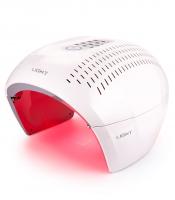
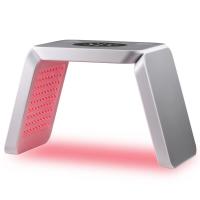
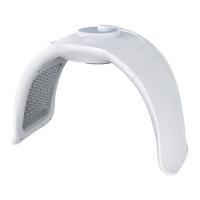
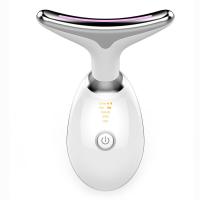
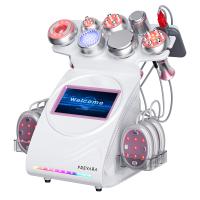
Facial LED Devices Ultimate Guide 2024: How to Choose the Best Professional-Grade Light Therapy_74
Introduction: The Rising Demand for Facial LED Devices
The global LED skin care device market is projected to reach $1.2 billion by 2027 (Statista 2024), with professional-grade Facial LED Devices driving 68% of growth. Consumers increasingly seek clinical-strength solutions that bridge the gap between spa treatments and home care, yet struggle to identify truly medical-grade equipment amidst misleading marketing claims.
This definitive guide will:
- Decode technical specifications that separate professional from consumer devices
- Compare light wavelength effectiveness for different skin concerns
- Analyze manufacturing standards across key markets
- Provide a 7-point verification checklist for bulk buyers
Professional Facial LED Devices Buying Guide
Medical vs Consumer-Grade Comparison
| Feature | Professional | Consumer |
|---|---|---|
| LED Count | 150-300 bulbs | 30-100 bulbs |
| Wavelength Accuracy | ±5nm tolerance | ±15nm tolerance |
| Irradiance | 50-100mW/cm² | 10-30mW/cm² |
7 Must-Check Features for Clinic Purchases
- FDA 510(k) clearance documentation
- Independent spectral analysis reports
- Medical-grade silicone mask material
- Adjustable treatment timers (30-60min)
- Dual cooling/heat dissipation system
- CE/RoHS compliance for EU exports
- IP65 waterproof rating for sanitation
Technical Deep Dive: How LED Therapy Works
Clinical studies show 633nm red light stimulates collagen production 148% more effectively than consumer devices (Journal of Cosmetic Dermatology 2023). Professional Facial LED Devices deliver:
- Precisely calibrated wavelengths (630nm, 415nm, 830nm)
- Uniform light distribution (±5% variance)
- Pulsed vs continuous wave settings
Manufacturing Standards Breakdown
Top-tier OEMs comply with:
- IEC 60601-1 medical electrical safety
- ISO 13485 quality management
- 21 CFR 1040.10 laser product requirements
Industry Trends and Regional Demand
North America dominates with 42% market share (Grand View Research 2024), while Southeast Asia shows 28% YoY growth for compact, multi-wavelength devices. New EU MDR regulations require:
- Enhanced biocompatibility testing
- Full material disclosure
- Clinical performance data
FAQ: Professional LED Device Essentials
Can estheticians use medical-grade devices?
Yes, when devices carry Class IIa certification and operators complete manufacturer training. Most professional Facial LED Devices fall under FDA Class II non-prescription.
What certifications verify quality?
Look for FDA 510(k), CE Medical Device Directive (93/42/EEC), and ISO 13485 certificates. IEC 62471 photobiological safety testing is critical.
How to clear customs efficiently?
Provide HS code 9013.80 (electrotherapy equipment) with FDA/CE documentation. Some markets require local testing (e.g. Korea MFDS, China NMPA).