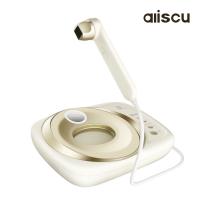
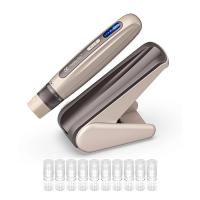
EMS Microcurrent Instrument Ultimate Guide 2024: How to Choose the Best Facial Toning Device_32
EMS Microcurrent Instrument Ultimate Guide 2024
The global EMS microcurrent device market is projected to reach $1.2 billion by 2025, growing at 8.7% CAGR according to Grand View Research. As consumers increasingly seek non-invasive facial rejuvenation solutions, understanding how to select the right EMS microcurrent instrument becomes crucial. This comprehensive guide will walk you through purchasing considerations, technical specifications, industry trends, and frequently asked questions to help you make informed decisions.
EMS Microcurrent Instrument Buying Guide
When comparing EMS microcurrent instruments to alternative facial devices like RF machines or LED therapy, consider these key factors:
| Feature | EMS Microcurrent | RF Device |
|---|---|---|
| Technology | Low-voltage electrical currents | Radiofrequency waves |
| Primary Benefit | Muscle toning & collagen production | Skin tightening |
Essential checklist for evaluating professional-grade EMS microcurrent instruments:
- FDA clearance or CE certification
- Adjustable intensity levels (0-500μA)
- Multiple treatment modes
Technical Specifications Explained
Understanding microcurrent parameters ensures optimal results:
Frequency range: 0.3-1,000Hz
Waveform: Square or sinusoidal
Output current: 50-500 microamperes
Industry Trends and Regional Demand
North America dominates 42% market share while Asia-Pacific shows fastest growth at 11.2% CAGR. New EU MDR regulations require stricter clinical validation for aesthetic devices.
Frequently Asked Questions
Q: Can EMS microcurrent instruments be used for body treatments?
A: While primarily designed for facial use, some professional models include body attachments.
Q: What certifications should I look for?
A: FDA 510(k) for US market, CE Mark for Europe, and KFDA for South Korea.