Digital Skin Analysis Machine Ultimate Guide 2024: How to Choose the Best Professional Skin Scanner_40
The Rising Demand for Digital Skin Analysis Technology
The global skin analysis devices market is projected to reach $1.2 billion by 2027, growing at 8.3% CAGR (Statista 2023). Dermatologists and skincare professionals increasingly rely on digital skin analysis machines to provide accurate, data-driven treatments. This comprehensive guide will help you navigate the complex landscape of professional skin analysis equipment, covering essential purchasing factors, technical specifications, and emerging industry trends.
Digital Skin Analysis Machine vs Alternative Solutions
| Feature | Digital Skin Analyzer | Traditional Methods |
|---|---|---|
| Accuracy | 95-98% | 60-75% |
| Analysis Time | 2-5 minutes | 15-30 minutes |
| Data Tracking | Digital records | Manual notes |
| Multi-Parameter Analysis | Yes | Limited |
7 Must-Check Features in Professional Skin Scanners
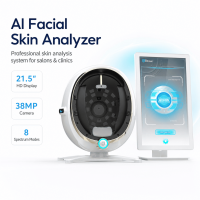
- High-resolution imaging (minimum 12MP camera)
- Multi-spectral analysis capability
- AI-powered diagnostic algorithms
- Cross-polarized and UV light modes
- Cloud-based data storage
- FDA/CE certification
- Customizable reporting
Technical Specifications Breakdown
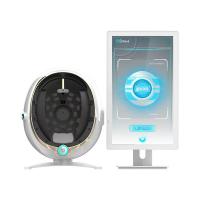
Modern digital skin analysis machines utilize advanced technologies like RBX (Red-Blue-Yellow) imaging and convolutional neural networks to detect 28+ skin parameters including moisture levels, pigmentation, pores, wrinkles, and porphyrins (oil bacteria). The industry standard requires at least 50x magnification with true-color reproduction.
Regional Market Insights
North America dominates 42% of the professional skin analysis device market, while Asia-Pacific shows the fastest growth at 11.2% annually. European buyers prioritize GDPR-compliant data handling, while US clinics focus on HIPAA integration. Emerging markets show strong demand for portable skin analyzers under $3,000.
Frequently Asked Questions
Q: Can digital skin analysis machines detect skin cancer?
A: While they can identify suspicious lesions, these devices are not FDA-approved for cancer diagnosis and should be used alongside professional medical evaluation.
Q: What certifications should a skin analysis machine have?
A: Look for FDA Class II medical device clearance, CE Marking for Europe, and ISO 13485 certification for manufacturing standards.
Q: How often should the device be calibrated?
A> Professional-grade machines require annual calibration, while consumer models may need biannual servicing.