Digital Skin Analysis Machine Ultimate Guide 2024: How to Choose the Best Skin Scanner_7
The Rising Demand for Digital Skin Analysis Technology
The global skin analysis devices market is projected to reach $1.2 billion by 2027, growing at 8.3% CAGR according to Grand View Research. As consumers become increasingly skincare-conscious, dermatologists and beauty professionals face mounting pressure to deliver precise, data-driven skin evaluations. This comprehensive guide will help you navigate the complex landscape of digital skin analysis machines, covering essential purchasing factors, technical specifications, and emerging industry trends.
Digital Skin Analysis Machine vs Traditional Methods
| Feature | Digital Analysis | Traditional Methods |
|---|---|---|
| Accuracy | 95-98% | 70-80% |
| Analysis Time | 2-5 minutes | 15-30 minutes |
| Data Storage | Cloud-based | Paper records |
| Multi-Parameter Analysis | Yes | Limited |
7 Must-Check Features in Professional Skin Scanners
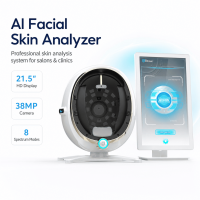
- Multi-spectral imaging capability
- Minimum 12MP high-resolution camera
- AI-powered analysis software
- Cross-polarized and UV light modes
- 3D skin surface mapping
- Moisture and sebum measurement
- Compatibility with EHR systems
Technical Deep Dive: How Skin Diagnosis Devices Work
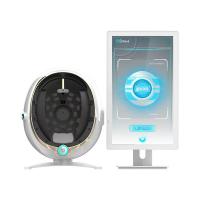
Modern digital skin analyzers combine advanced optics with machine learning algorithms. The typical workflow involves: 1) High-resolution image capture under controlled lighting, 2) Pixel-level analysis of skin texture and pigmentation, 3) Comparative database matching, and 4) Personalized report generation. Leading manufacturers like Canfield and Courage+Khazaka adhere to ISO 13485 medical device standards.
Industry Trends and Regional Adoption
North America currently dominates the market (38% share), while Asia-Pacific shows the fastest growth (11.2% CAGR). The EU's new MDR regulations require CE Marking for medical-grade devices. Emerging technologies include handheld skin analyzers with smartphone connectivity and AI-powered at-home devices.
Frequently Asked Questions
Q: Can digital skin analysis machines detect skin cancer?
A: While they can identify suspicious lesions, they should never replace professional medical diagnosis.
Q: What certifications should I look for?
A: FDA clearance (for US), CE Marking (for EU), and ISO 13485 certification are most important.
Q: Are there customs restrictions?
A: Medical-grade devices may require special import permits in some countries.