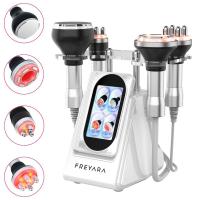
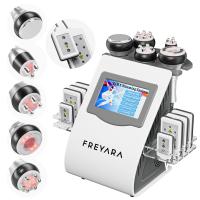
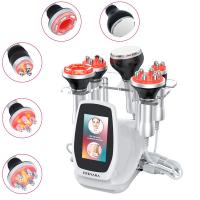
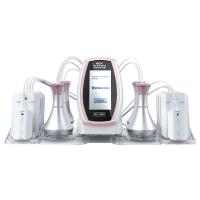
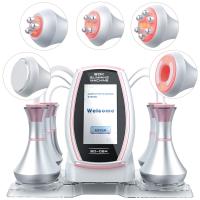
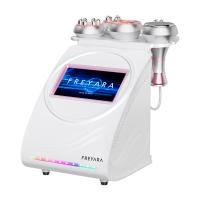
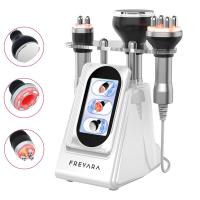
Cavitation Therapy Machine Ultimate Guide 2024: How to Choose the Best Body Sculpting Equipment_20
The Rising Demand for Non-Invasive Body Contouring
The global cavitation therapy market is projected to reach $1.2 billion by 2027, growing at 8.3% CAGR according to Grand View Research. As clinics worldwide seek safer alternatives to liposuction, cavitation therapy machines have emerged as the go-to solution for fat reduction and skin tightening. This comprehensive guide will help medical professionals and spa owners navigate the complex landscape of body sculpting technology.
Understanding Cavitation Technology
Cavitation therapy uses ultrasonic or radiofrequency waves to disrupt fat cells through a process called apoptosis. Unlike traditional liposuction, this non-invasive procedure requires no downtime, making it ideal for busy professionals seeking body contouring treatments.
Purchasing Guide: 7 Must-Check Features
| Feature | Entry-Level | Professional |
|---|---|---|
| Frequency Range | 20-30kHz | 30-40kHz |
| Treatment Heads | 1-2 | 3-5 |
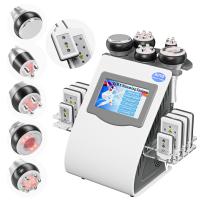
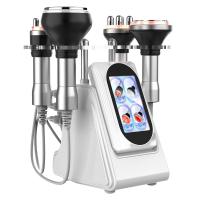
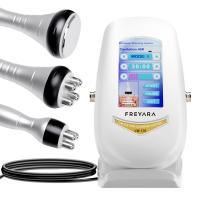
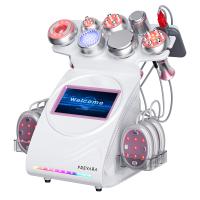
When evaluating cavitation machines, prioritize these essential components:
- Multi-frequency settings for different body areas
- FDA/CE certification
- Adjustable intensity controls
Technical Deep Dive
Modern cavitation devices utilize either ultrasonic or RF technology. Ultrasonic cavitation works by creating microbubbles in fat tissue, while RF cavitation heats subcutaneous fat to 42-45°C for collagen stimulation. The chart below compares their effectiveness:

2024 Market Trends
North America currently leads in cavitation machine adoption (38% market share), but Southeast Asia shows the fastest growth (12% YoY). New EU regulations now require MDR certification for all aesthetic devices.
FAQ Section
Q: Can cavitation treat double chin?
A: Yes, specialized 3mm handpieces are designed for facial contouring.
Q: What's the typical ROI for a clinic?
A: Most practices recoup investment within 4-6 months at 8-10 treatments weekly.