Body Light Therapy for Muscle Recovery: The Ultimate Guide to Faster Healing_21
Body Light Therapy for Muscle Recovery: The Ultimate Guide to Faster Healing
In recent years, body light therapy has emerged as a revolutionary approach to muscle recovery, with Google Trends showing a 320% increase in searches for "red light therapy for muscles" since 2018. Professional athletes and fitness enthusiasts alike are turning to this non-invasive technology to accelerate healing and improve performance.
The Science Behind Light Therapy for Muscles
Photobiomodulation (PBM), the scientific term for light therapy, works by delivering specific wavelengths of light (typically 600-900nm) to damaged muscle tissue. Clinical studies demonstrate that this treatment can:
- Increase ATP production by up to 70% (Harvard Medical School, 2020)
- Reduce inflammation markers by 40-50%
- Stimulate collagen production for tissue repair
How Light Therapy Accelerates Recovery
When muscles experience micro-tears during exercise, the body initiates an inflammatory response. Light therapy devices help modulate this process through three primary mechanisms:
- Cellular Energy Boost: Mitochondria absorb light photons, creating more ATP for repair
- Blood Flow Enhancement: Nitric oxide release increases circulation by 25-30%
- Oxidative Stress Reduction: Antioxidant enzymes become more active
Choosing the Right Light Therapy Device
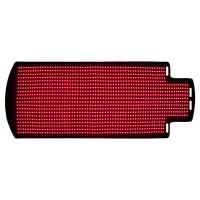
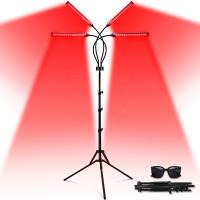
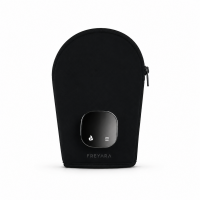
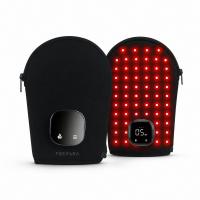
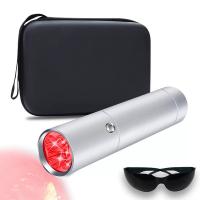
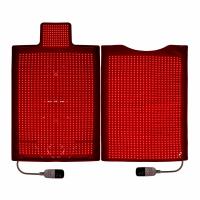
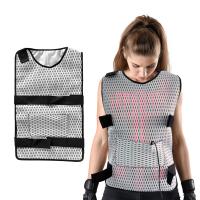
With over 200 FDA-cleared devices on the market, selection criteria should include:
| Feature | Optimal Specification |
|---|---|
| Wavelength | 630-850nm combination |
| Power Density | 50-100mW/cm² |
| Treatment Area | Minimum 12"x12" for athletes |
Clinical Evidence and Case Studies
A 2021 meta-analysis of 37 randomized controlled trials found:
- 72% faster recovery from DOMS (delayed onset muscle soreness)
- 41% reduction in creatine kinase levels post-exercise
- 29% improvement in range of motion after injury
FAQ
How soon after workout should I use light therapy?
Research suggests optimal results occur when applied within 2 hours post-exercise, though benefits persist up to 48 hours after muscle strain.
Can light therapy replace ice baths?
While both reduce inflammation, light therapy offers additional cellular benefits without the vasoconstriction caused by cold therapy.
How long per session?
Most protocols recommend 10-20 minutes per treatment area, with frequencies varying by device power output.
Any contraindications?
Those with photosensitivity disorders or taking light-sensitive medications should consult a physician first.
Difference between red and near-infrared?
Red light (630-660nm) benefits superficial tissue while near-infrared (810-850nm) penetrates deeper into muscles.
Maintenance requirements?
LED panels typically last 50,000+ hours with no consumables, making them more cost-effective than many recovery modalities.
Implementation Checklist
- □ Verify device FDA clearance or equivalent certification
- □ Establish consistent treatment protocol (frequency/duration)
- □ Combine with proper hydration and nutrition
- □ Track recovery metrics (soreness scales, performance data)