
The Ultimate Guide to HIFU Beauty Devices: Non-Surgical Skin Tightening Solutions_24
The Ultimate Guide to HIFU Beauty Devices: Non-Surgical Skin Tightening Solutions
Introduction
In the world of aesthetic treatments, HIFU beauty devices have emerged as groundbreaking solutions for non-invasive skin tightening and lifting. As a revolutionary alternative to surgical facelifts, these advanced devices use High-Intensity Focused Ultrasound technology to stimulate collagen production deep within the skin layers. This comprehensive guide will explore everything you need to know about HIFU beauty devices, from their working principles to practical applications in modern skincare.
What is a HIFU Beauty Device?
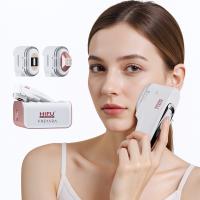
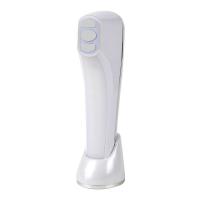
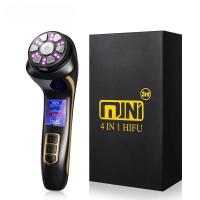
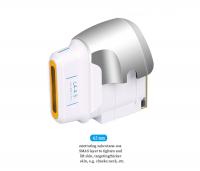
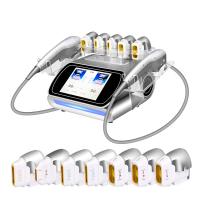
A HIFU beauty device is a professional-grade aesthetic equipment that delivers focused ultrasound energy to specific depths beneath the skin's surface. Unlike traditional skincare tools, HIFU devices target the foundational layers of the skin, including the SMAS (Superficial Musculo-Aponeurotic System), which was previously only accessible through surgical procedures.
Key Benefits of HIFU Beauty Devices
HIFU beauty devices offer numerous advantages for both skincare professionals and clients. The primary benefits include non-invasive skin tightening, natural collagen stimulation, and noticeable lifting effects without downtime. These devices provide precise energy delivery, customizable treatment depths, and long-lasting results that improve over time as new collagen forms.
Applications of HIFU Technology
Professional HIFU machines are versatile tools in aesthetic clinics. Common applications include facial contouring, eyebrow lifting, jawline definition, neck rejuvenation, and décolletage treatments. The technology also shows promising results for body contouring, particularly for areas like the abdomen and thighs.
Choosing the Right HIFU Beauty Device
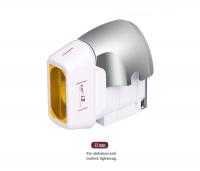
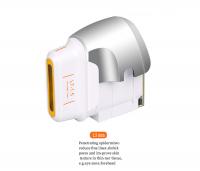
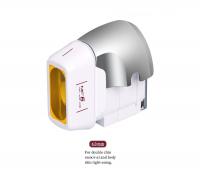
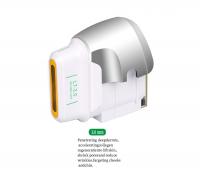
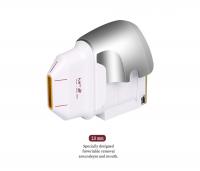
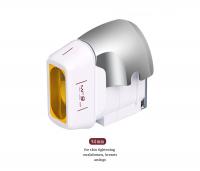
When selecting a professional HIFU machine, consider factors like treatment depth options, energy precision, safety features, and FDA clearance. High-quality devices should offer multiple transducers for different treatment areas and adjustable energy levels for customized protocols.
Frequently Asked Questions
How often should HIFU treatments be performed?
Most professionals recommend initial treatments spaced 4-6 weeks apart, with maintenance sessions every 6-12 months.
Is HIFU treatment painful?
Discomfort levels vary, but most clients describe the sensation as mild to moderate. Modern HIFU devices often include cooling mechanisms to enhance comfort.
When will results become visible?
Initial improvements may appear within weeks, with optimal results developing over 2-3 months as collagen remodeling occurs.
Conclusion
HIFU beauty devices represent a significant advancement in non-surgical aesthetic technology. By understanding their capabilities and proper usage, skincare professionals can offer clients safe, effective treatments with natural-looking results. Explore our collection of professional-grade HIFU machines to elevate your practice today.