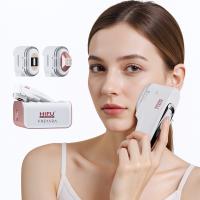
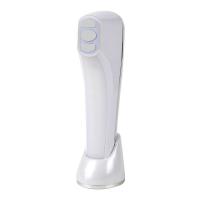
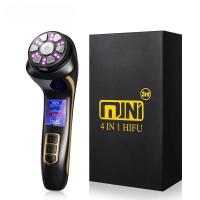
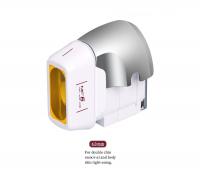
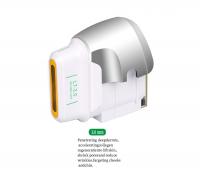
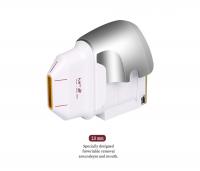
HIFU Non-Surgical Ultimate Guide 2024: How to Choose the Best Skin Tightening Solution_70
The Complete Guide to HIFU Non-Surgical Treatments in 2024
The global non-surgical aesthetic market is projected to reach $15.9 billion by 2025, with HIFU technology leading the growth at 22.3% CAGR. As consumers increasingly seek alternatives to invasive procedures, understanding HIFU devices has become essential for both practitioners and end-users.
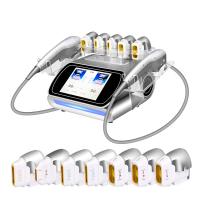
HIFU Buying Guide: Professional vs Home Devices
When evaluating HIFU machines, these 7 features are non-negotiable:
- FDA/CE certification status
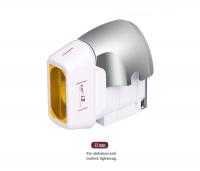
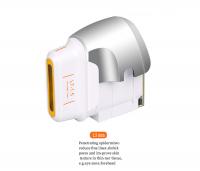
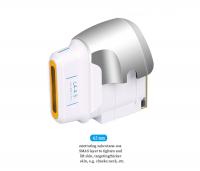
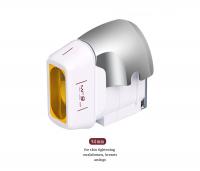
- Adjustable depth penetration (1.5mm-4.5mm)
- Precision targeting technology
- Real-time temperature monitoring
- Treatment area coverage
- Energy output control
- Aftercare protocols
Technical Specifications Breakdown
Modern HIFU systems operate at frequencies between 1-10MHz, with optimal collagen stimulation occurring at 65-70°C. The treatment depth chart below shows how different settings affect various skin layers:
| Depth | Target Tissue | Recommended Energy |
|---|---|---|
| 1.5mm | Epidermis | Low (0.5-0.8J) |
| 3.0mm | Dermis | Medium (0.8-1.2J) |
| 4.5mm | SMAS Layer | High (1.2-1.8J) |
Industry Trends and Compliance
European markets now require HIFU devices to meet MDR 2017/745 standards, while FDA-cleared machines must demonstrate clinical efficacy through 510(k) submissions. The Asia-Pacific region shows particular demand for portable systems with dual-frequency capabilities.
Frequently Asked Questions
Q: Can HIFU replace surgical facelifts?
A: While providing 60-70% of surgical results, HIFU works best for early to moderate skin laxity.
Q: What certifications should I verify?
A> Look for FDA, CE, ISO 13485, and country-specific medical device registrations.
For wholesale inquiries about our medical-grade HIFU systems, visit our product catalog featuring FDA-cleared devices with 3-year warranties.