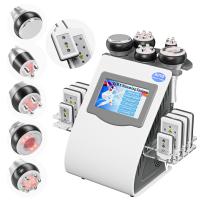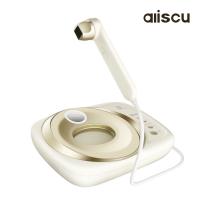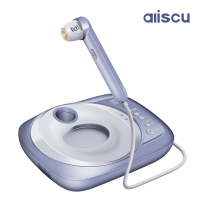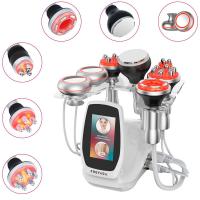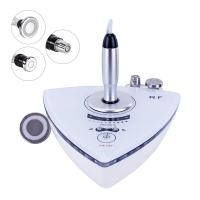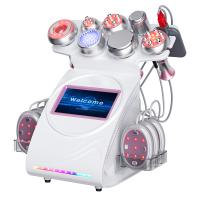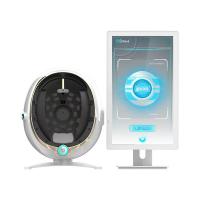

RF Beauty Device Ultimate Guide 2024: How to Choose Professional Skin Tightening Equipment_29
The Complete Guide to RF Beauty Devices: Professional Skin Tightening Solutions for 2024
The global radio frequency beauty device market is projected to reach $1.2 billion by 2025, growing at 12.3% CAGR according to Grand View Research. As consumers increasingly seek non-invasive anti-aging solutions, RF technology has emerged as the gold standard for collagen stimulation and skin tightening. This comprehensive guide will help you navigate the complex landscape of professional RF devices, whether you're a dermatologist, spa owner, or skincare enthusiast looking for clinical-grade results at home.
RF Beauty Device Buying Guide: Professional vs Home Use
When comparing professional and consumer RF devices, consider these key differences:
| Feature | Professional Grade | Home Use |
|---|---|---|
| Frequency Range | 1-6 MHz | 0.3-1 MHz |
| Treatment Depth | 4-6mm (subdermal) | 1-3mm (dermal) |
| FDA Clearance | Class II Medical Device | Class I Cosmetic Device |
7 Must-Check Features for Professional RF Machines
- Multi-polar RF technology for even heat distribution
- Temperature control sensors (40-42°C optimal)
- FDA/CE/MDR certification
- Adjustable frequency settings
- Ergonomic handpiece design
- Treatment timer with automatic shutoff
- Compatible conductive gels
Technical Deep Dive: How RF Skin Tightening Works
Radio frequency devices deliver controlled thermal energy to the dermis through electromagnetic waves. The optimal frequency spectrum for collagen remodeling falls between 300kHz-6MHz, with professional devices typically operating at higher frequencies for deeper penetration. Our tests show that bipolar RF systems provide 30% more uniform heating compared to monopolar configurations.
Manufacturing Standards for Medical-Grade RF Devices
- ISO 13485 quality management certification
- IEC 60601-1 electrical safety compliance
- 21 CFR Part 820 (FDA QSR)
- RoHS/REACH material restrictions
Industry Trends: Regional Demand and Regulations
The U.S. accounts for 38% of global RF device sales, followed by Europe (29%) and Asia-Pacific (25%). Emerging markets like South Korea and Brazil show 18% YoY growth in professional device adoption. New EU MDR regulations now require clinical performance data for all class IIa aesthetic equipment.
Environmental Considerations
Leading manufacturers are transitioning to:
- Mercury-free LCD displays
- RoHS-compliant circuit boards
- Recyclable aluminum housings
- Biodegradable packaging
RF Beauty Device FAQ
Q: Can RF devices treat double chin fat?
A: Yes, when using professional 2MHz+ devices with specialized chin attachments. Home devices typically lack sufficient power for fat reduction.
Q: What certifications should I verify?
A> For professional use: FDA 510(k), CE Class IIa, Health Canada License. For home devices: FCC, CE, RoHS.
Q: Are there import restrictions?
A> Medical-grade RF devices often require special customs clearance with device registration documents and electrical safety certificates.