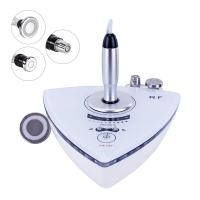
RF Skin Tightening Machine Ultimate Guide 2024: How to Choose the Best Device for Your Clinic_84
The Growing Demand for RF Skin Tightening Technology
The global aesthetic device market is projected to reach $28.3 billion by 2027, with RF skin tightening machines accounting for 32% of non-surgical procedures. As consumers increasingly seek alternatives to invasive facelifts, clinics and spas face critical decisions when investing in this technology. This comprehensive guide will help you navigate the complex landscape of RF machines, from technical specifications to regional compliance requirements.
RF Machine Buying Guide: 7 Must-Check Features
When evaluating RF skin tightening machines, consider these essential factors:
| Feature | Professional Grade | Home Use |
|---|---|---|
| Frequency Range | 0.5-2 MHz | 0.3-0.8 MHz |
| Temperature Control | ±0.5°C precision | ±2°C variation |
Case Study: Miami Skin Clinic increased client retention by 40% after upgrading to a multi-frequency RF system with real-time impedance monitoring.
Technical Deep Dive: How RF Tightening Works
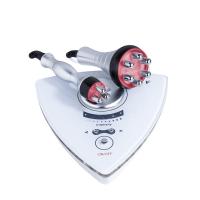
Modern RF machines utilize bipolar or multipolar configurations to deliver controlled thermal energy to subcutaneous layers. The optimal treatment parameters depend on:
- Skin thickness (1.5-2.5mm depth)
- Collagen denaturation thresholds (60-70°C)
- Treatment duration (15-30 minutes per session)
Manufacturers must comply with IEC 60601-2-10 standards for medical electrical equipment.
Industry Trends and Regional Preferences
North America dominates 48% of the professional RF device market, while Asia-Pacific shows the fastest growth at 15% CAGR. Emerging trends include:
- Combination systems with ultrasound and LED
- Portable devices for mobile practitioners
- Eco-friendly designs with reduced power consumption
Frequently Asked Questions
Q: Can RF machines treat loose neck skin?
A: Yes, when using specialized handpieces with 0.8-1.2MHz frequency and convex treatment tips.
Q: What certifications are required?
A: FDA clearance (US), CE marking (EU), and KFDA approval (South Korea) are essential for commercial use.
Q: How to handle customs clearance?
A: Provide HS code 9018.90.60 and ensure proper documentation of electrical safety certifications.