Passive Cooling Solutions: LED Heat Sink Design and Efficiency_51
LED heat sink passive cooling is an essential technology for maintaining optimal LED performance by dissipating heat without the need for active cooling components like fans. This method ensures longevity and efficiency while reducing energy consumption.
1. LED heat sink materials2. Passive cooling vs active cooling
3. Thermal management for LED
4. Heat dissipation techniques
1. LED heat sink materials
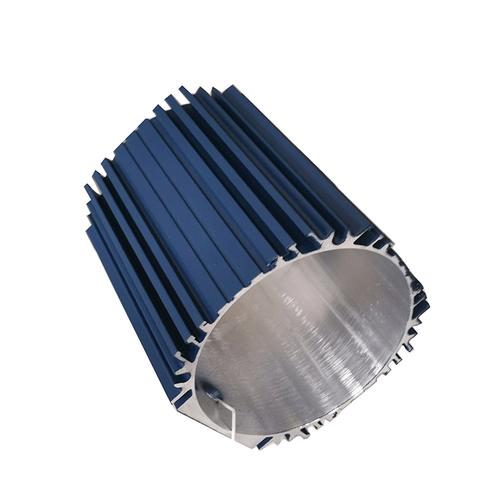
Choosing the right materials for LED heat sinks is crucial for effective passive cooling. Aluminum is the most common material due to its excellent thermal conductivity and lightweight properties. Copper, while more expensive, offers even better thermal performance and is often used in high-power LED applications. Other materials like ceramic and composite materials are also gaining popularity for their unique thermal properties and durability. The selection of material impacts the heat sink's ability to transfer heat away from the LED, ensuring stable operation and prolonged lifespan. Proper material choice can significantly reduce thermal resistance and improve overall efficiency.
2. Passive cooling vs active cooling
Passive cooling relies on natural convection and radiation to dissipate heat, making it silent and maintenance-free. Active cooling, on the other hand, uses fans or liquid cooling systems to enhance heat dissipation. While active cooling can handle higher thermal loads, it consumes additional energy and may introduce noise and mechanical failure risks. Passive cooling is ideal for applications where reliability and energy efficiency are priorities. The choice between passive and active cooling depends on the LED's power output, environmental conditions, and specific application requirements. Understanding these differences helps in selecting the most suitable cooling method for your LED system.
3. Thermal management for LED
Effective thermal management is vital for maintaining LED performance and longevity. Poor thermal management can lead to overheating, reduced light output, and shorter lifespan. Passive cooling techniques, such as heat sinks and thermal pads, are commonly used to manage heat in LED systems. Proper design considerations, including surface area optimization and fin arrangement, enhance heat dissipation. Thermal interface materials (TIMs) also play a critical role in improving heat transfer between the LED and heat sink. Implementing robust thermal management strategies ensures consistent performance and reliability in various operating conditions.
4. Heat dissipation techniques
Various heat dissipation techniques are employed in passive cooling systems to enhance thermal performance. Heat sinks with extended fins increase surface area for better convection cooling. Thermal vias and heat pipes are used to distribute heat more evenly across the heat sink. Natural convection can be improved by optimizing the orientation and placement of the heat sink. Additionally, using materials with high thermal emissivity enhances radiative cooling. Combining these techniques ensures efficient heat dissipation, keeping the LED within safe operating temperatures. Proper implementation of these methods is key to achieving optimal passive cooling performance.
Understanding the intricacies of LED heat sink passive cooling is essential for anyone involved in LED design and application. From material selection to advanced heat dissipation techniques, each aspect plays a critical role in ensuring efficient thermal management. By exploring these topics, you can make informed decisions to enhance your LED systems' performance and longevity. Dive deeper into each section to uncover the best practices and innovative solutions for passive cooling in LED applications.
In conclusion, LED heat sink passive cooling is a vital technology for maintaining LED efficiency and longevity. By selecting appropriate materials, understanding cooling methods, and implementing effective thermal management strategies, you can optimize your LED systems for various applications. This comprehensive guide provides the insights needed to make informed decisions and achieve superior passive cooling performance.