Passive Cooling Solutions: How LED Heat Sinks Improve Performance and Longevity_90
Passive Cooling Solutions: How LED Heat Sinks Improve Performance and Longevity
Introduction
In the world of LED lighting, thermal management is crucial for optimal performance and longevity. LED heat sink passive cooling has emerged as an efficient, maintenance-free solution for managing heat in LED systems. Unlike active cooling methods that require fans or pumps, passive cooling relies on natural convection and thermal conduction to dissipate heat. This article explores the importance of passive cooling for LEDs, its benefits, applications, and how to choose the right solution for your needs.
Understanding LED Heat Sink Passive Cooling
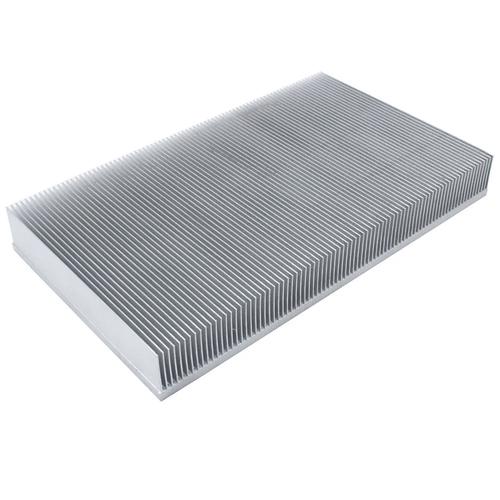
LED heat sink passive cooling refers to the process of dissipating heat from LED components without using any moving parts or external energy sources. The heat sink, typically made of aluminum or copper, absorbs thermal energy from the LED and transfers it to the surrounding environment through natural convection. This method is particularly effective because it's silent, requires no maintenance, and has no mechanical parts that can fail.
Benefits of Passive Cooling for LED Systems
Passive cooling offers numerous advantages for LED applications. First, it significantly extends the lifespan of LED components by maintaining optimal operating temperatures. Second, it eliminates the need for noisy fans, making it ideal for residential and office environments. Third, passive cooling systems consume no additional energy, contributing to overall energy efficiency. Finally, these systems require minimal maintenance, reducing long-term operational costs.
Applications of Passive Cooling in LED Technology
LED heat sink passive cooling finds applications across various industries. In architectural lighting, it ensures consistent performance in hard-to-reach fixtures. For street lighting, passive cooling provides reliable thermal management in outdoor conditions. Consumer electronics benefit from silent operation, while industrial applications appreciate the maintenance-free design. Even high-power LED systems can utilize advanced passive cooling solutions with properly designed heat sinks.
Choosing the Right Passive Cooling Solution
Selecting the appropriate LED heat sink passive cooling system depends on several factors. Consider the power output of your LED, the available space for the heat sink, and the environmental conditions. Aluminum heat sinks offer excellent thermal conductivity at a lower cost, while copper provides superior performance for high-power applications. The design of fins and surface area also plays a crucial role in cooling efficiency.
Our Premium Passive Cooling Solutions
Our company specializes in high-quality LED heat sink passive cooling products designed for various applications. We offer custom solutions tailored to your specific requirements, ensuring optimal thermal management for your LED systems. Our heat sinks undergo rigorous testing to guarantee performance and durability in real-world conditions.
Frequently Asked Questions
Q: How does passive cooling differ from active cooling?
A: Passive cooling uses natural convection without moving parts, while active cooling requires fans or pumps.
Q: What materials are best for LED heat sinks?
A: Aluminum and copper are most common, with copper offering better conductivity but at higher cost.
Q: Can passive cooling handle high-power LED applications?
A: Yes, with proper heat sink design and sufficient surface area.
Q: How important is thermal interface material?
A: Crucial for efficient heat transfer between the LED and heat sink.
Q: Do passive cooling solutions require maintenance?
A: Generally no, though occasional cleaning may be needed in dusty environments.
Conclusion
LED heat sink passive cooling offers an efficient, reliable solution for thermal management in LED systems. By understanding its benefits and applications, you can make informed decisions about your lighting projects. Contact us today to learn more about our premium passive cooling solutions and how they can enhance your LED applications.