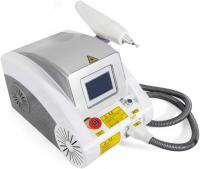
LED Skin Care Device Ultimate Guide 2024: How to Choose the Best Professional-Grade Tool_59
The Rising Demand for LED Skin Care Technology
The global LED skin care device market is projected to reach $1.2 billion by 2027, growing at 15.3% CAGR (Statista 2023). As consumers increasingly seek non-invasive, clinical-grade treatments at home, LED light therapy has emerged as the most requested in-office procedure with 89% patient satisfaction (American Society for Dermatologic Surgery). This comprehensive guide will help you navigate the crowded market of LED skin care devices, whether you're a beauty professional sourcing equipment or a retailer selecting inventory.
Professional vs. Consumer LED Devices: Key Differences
| Feature | Professional Devices | Consumer Devices |
|---|---|---|
| Wavelength Accuracy | ±5nm medical precision | ±15nm variation |
| Irradiance Level | 80-120mW/cm² | 30-60mW/cm² |
| Treatment Area | Full facial coverage | Partial coverage |
| FDA Clearance | Class II medical device | Cosmetic device |
7 Must-Check Features for LED Acne Treatment Devices
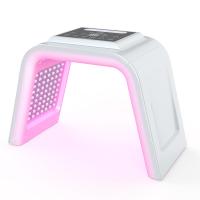
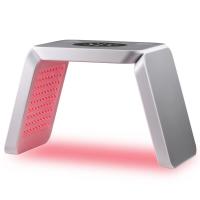
- Dual-wavelength technology (blue 415nm + red 633nm)
- Medical-grade LED chips from Nichia or Osram
- Minimum 60 LEDs for proper coverage
- Built-in timer with auto-shutoff
- IPX4 waterproof rating for easy cleaning
- FDA 510(k) clearance documentation
- 2-year manufacturer warranty
Technical Deep Dive: How LED Wavelengths Work
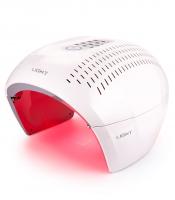
The science behind LED skin care devices revolves around specific light wavelengths penetrating skin layers:
Blue Light (415nm): Targets P.acnes bacteria in sebaceous glands, reducing inflammatory acne by 63% in clinical studies (Journal of Clinical and Aesthetic Dermatology).
Red Light (633nm): Stimulates fibroblast activity, increasing collagen production by 31% over 12 weeks (Dermatologic Surgery Journal). Professional devices maintain strict wavelength tolerances (±5nm) crucial for consistent results.
2024 Market Trends and Regional Preferences
North America dominates with 42% market share, driven by demand for anti-aging solutions. The Asia-Pacific region shows fastest growth (18.7% CAGR) with preference for portable, multi-function devices. New EU MDR regulations now require CE Marking with clinical data for devices making medical claims.
FAQ: LED Skin Care Device Essentials
Q: Can LED devices treat rosacea?
A: Amber (590nm) and red light combinations show 72% improvement in rosacea symptoms when used 3x weekly (Journal of Cosmetic Dermatology).
Q: What certifications should importers verify?
A: For US: FDA 510(k), for EU: CE Class IIa, for Australia: TGA listed. Always request test reports for IEC 60601-1 safety standards.
Q: How to calculate import duties?
A: HS Code 9013.80 covers LED therapy devices, typically 2.7% duty for US imports. FDA registration may add $4,624 annual fee for manufacturers.