HIFU for Face Ultimate Guide 2024: How to Choose the Best Non-Surgical Facelift_87
The Complete Guide to HIFU for Face: Your 2024 Non-Surgical Facelift Solution
The global non-invasive aesthetic market is projected to reach $15.9 billion by 2025, with HIFU (High-Intensity Focused Ultrasound) treatments growing at 22.4% annually. As consumers increasingly seek alternatives to surgical facelifts, understanding HIFU technology becomes essential. This guide will walk you through everything from technical specifications to regional compliance standards, helping you make informed decisions whether you're a clinic owner or home user.
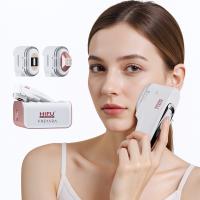
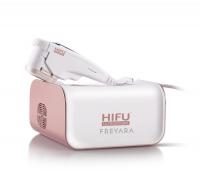
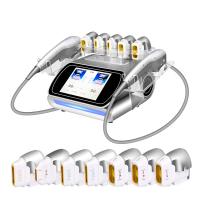
HIFU Buying Guide: Professional vs Home Devices
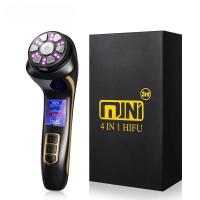
When investing in HIFU equipment, these 7 features are non-negotiable:
- FDA/CE certification for safety compliance
- Adjustable depth settings (1.5mm-4.5mm)
- Precision targeting technology
- Real-time temperature monitoring
- Minimum 2MHz frequency
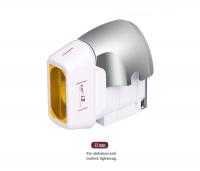
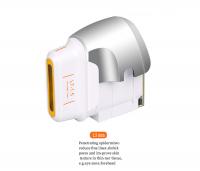
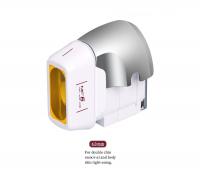
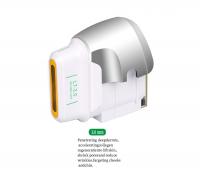
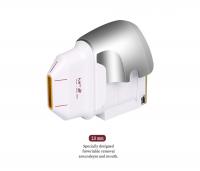
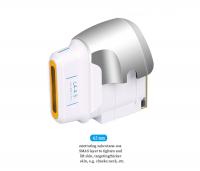
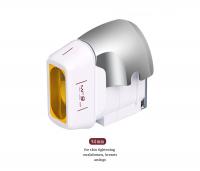
- Ergonomic handpiece design
- After-sales service package
Comparison table: Professional Clinic vs Home Use HIFU Machines
| Feature | Professional Grade | Home Device |
|---|---|---|
| Energy Output | Up to 10J/cm² | 3-5J/cm² |
| Treatment Depth | 1.5-4.5mm | 1.5-3.0mm |
| Session Duration | 30-90 minutes | 15-30 minutes |
| Price Range | $15,000-$50,000 | $500-$3,000 |
HIFU Technology Deep Dive
Modern HIFU devices utilize focused ultrasound waves at 2-10MHz frequencies to stimulate collagen production in three skin layers:
- Superficial muscular aponeurotic system (SMAS)
- Dermis
- Subcutaneous tissue
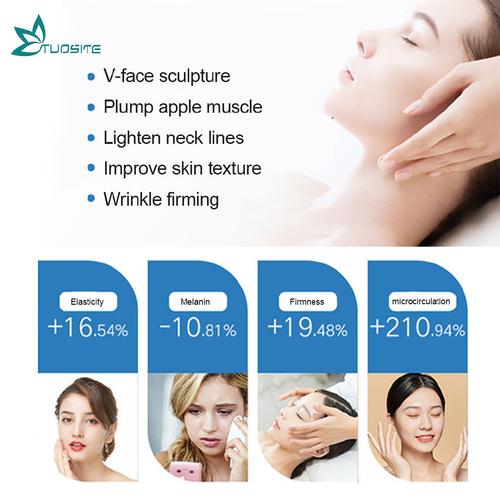
The thermal effect causes immediate collagen contraction (visible lifting) and triggers neocollagenesis over 3-6 months. Clinical studies show 82% improvement in skin elasticity after 3 treatments.
2024 Market Trends
Regional demand variations:
- North America: Preference for clinic-grade multi-function devices
- Europe: Strong demand for CE-certified home devices
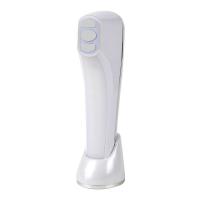
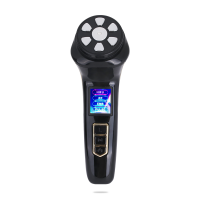
- Asia: Growing market for portable HIFU pens
New FDA guidelines require enhanced safety protocols for at-home devices, including automatic energy adjustment and skin sensor technology.
FAQ Section
Q: How often should HIFU treatments be performed?
A: Professionals recommend 3 initial sessions at 4-6 week intervals, followed by annual maintenance.
Q: What certifications should I verify?
A: Look for FDA 510(k), CE Mark, or KFDA approvals depending on your target market.
Q: Can HIFU replace fillers?
A> While HIFU provides lifting, combination treatments often yield optimal results for volume restoration.