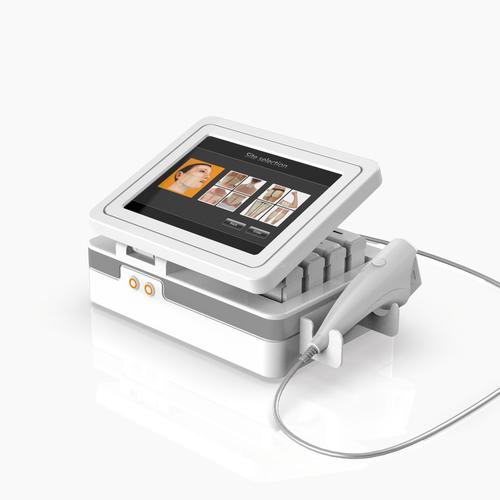
HIFU Fat Reduction Ultimate Guide 2024: How to Choose the Best Non-Invasive Treatment_77
The Complete Guide to HIFU Fat Reduction in 2024
The global non-invasive fat reduction market is projected to reach $14.9 billion by 2027, with HIFU technology leading this growth. As consumers increasingly seek alternatives to surgical liposuction, understanding HIFU fat reduction becomes essential for both practitioners and patients.
Why HIFU Stands Out in Fat Reduction
Unlike traditional methods, HIFU (High-Intensity Focused Ultrasound) delivers targeted energy to disrupt fat cells without damaging surrounding tissues. Clinical studies show an average 2-4 cm reduction after just one session, with optimal results appearing within 8-12 weeks.
HIFU vs Alternative Fat Reduction Methods
| Method | Technology | Sessions Needed | Downtime |
|---|---|---|---|
| HIFU | Ultrasound | 1-3 | None |
| Cryolipolysis | Freezing | 2-4 | Possible redness |
| Laser Lipolysis | Laser | 3-6 | 24-48 hours |
7 Must-Check Features When Buying HIFU Equipment
- FDA/CE certification for medical devices
- Adjustable depth penetration (3.0-13.0mm)
- Real-time temperature monitoring
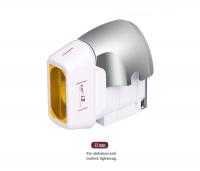
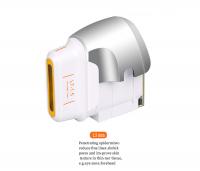
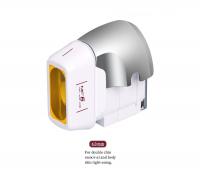
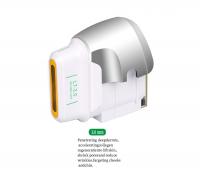
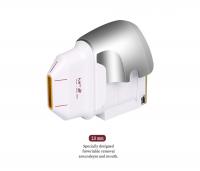
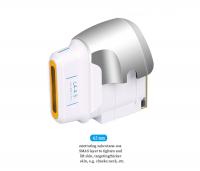
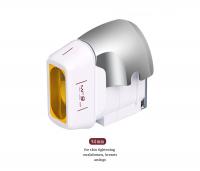
- Multiple transducer sizes
- Dual-frequency options (2MHz/4MHz)
- Built-in cooling system
- Comprehensive training package
Technical Specifications Explained
Modern HIFU machines operate at frequencies between 2-10MHz, with energy output ranging from 50-200 joules/cm². The focal point temperature reaches 56-70°C, sufficient for adipocyte apoptosis while keeping epidermal temperature below 43°C for safety.
Regional Market Trends
North America dominates with 38% market share, while Asia-Pacific shows the fastest growth at 12.3% CAGR. European markets particularly demand CE-marked devices with environmental compliance documentation.
Frequently Asked Questions
Is HIFU safe for all body types?
HIFU works best for individuals with BMI under 30. Contraindications include pregnancy, pacemakers, and certain skin conditions.
What certifications should I look for?
FDA 510(k) clearance for the US market, CE Mark for Europe, and KFDA for South Korea are essential.
How to handle customs clearance?
Medical device HS codes vary by country. Always include original certificates and English manuals for smooth clearance.