HIFU Body Sculpting Ultimate Guide 2024: How to Choose the Best Non-Invasive Treatment_84
The Complete Guide to HIFU Body Sculpting in 2024
The global non-invasive body contouring market is projected to reach $6.8 billion by 2027, with HIFU technology leading this growth. As consumers increasingly seek alternatives to surgical procedures, understanding how to select the right HIFU body sculpting solution becomes crucial. This guide will walk you through equipment selection, technical specifications, and emerging trends in the industry.
HIFU Body Sculpting Buying Guide
When comparing HIFU to other fat reduction methods, consider these key factors:
| Feature | HIFU | Cryolipolysis | Radiofrequency |
|---|---|---|---|
| Treatment Depth | 4.5-13mm | Superficial | 2-15mm |
| Downtime | None | Possible redness | Mild swelling |
7 Must-Check Features for Professional HIFU Machines
- FDA/CE certification
- Adjustable energy levels (3-10MHz)
- Real-time temperature monitoring
Technical Specifications Explained
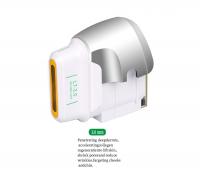
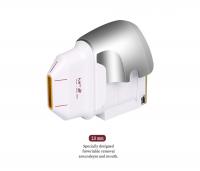
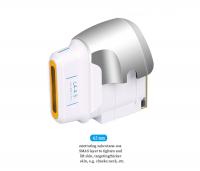
Modern HIFU devices operate at frequencies between 3-10MHz, with higher frequencies targeting superficial layers and lower frequencies reaching deeper fat deposits. The treatment head should maintain consistent energy output within ±5% variance.
How HIFU Triggers Fat Cell Apoptosis
The ultrasound waves create thermal coagulation points at specific tissue depths, causing adipocytes to break down naturally through the body's lymphatic system.
Industry Trends and Regional Demand
North America currently holds 42% market share, while APAC shows the fastest growth at 18% CAGR. New EU MDR regulations require additional clinical data for CE certification since 2021.
Frequently Asked Questions
Is HIFU safe for abdominal treatment?
Yes, when performed by trained professionals using FDA-cleared devices. Avoid treatment over bony prominences or thin tissue areas.
What certifications should I look for?
FDA 510(k) clearance for US markets, CE Mark for Europe, and KFDA for South Korea indicate proper safety testing.