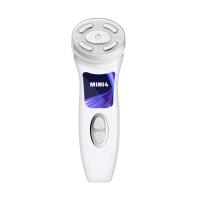
HIFU Anti-Aging Ultimate Guide 2024: How to Choose the Best Non-Invasive Treatment_74
The Complete Guide to HIFU Anti-Aging Technology in 2024
The global anti-aging market is projected to reach $83.2 billion by 2027, with non-invasive treatments like HIFU (High-Intensity Focused Ultrasound) growing at 15.8% annually. As consumers increasingly seek alternatives to surgical facelifts, understanding HIFU technology becomes crucial for both beauty professionals and home users.
HIFU vs Alternative Anti-Aging Treatments
| Treatment | Downtime | Results Duration | Average Cost |
|---|---|---|---|
| HIFU | None | 1-2 years | $500-$1500 |
| Laser Resurfacing | 7-10 days | 6-12 months | $1000-$3000 |
| Botox | None | 3-6 months | $300-$600 |
7 Must-Check Features When Buying HIFU Machines
- FDA clearance or CE certification
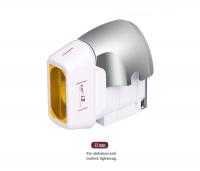
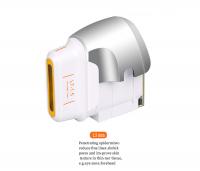
- Adjustable depth settings (1.5mm-4.5mm)
- Minimum 5MHz frequency
- Real-time temperature monitoring
- At least 200 treatment lines
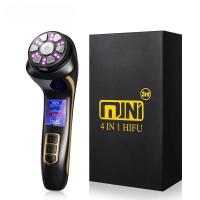
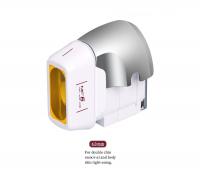
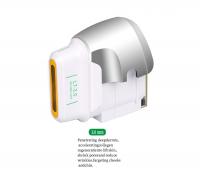
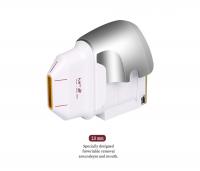
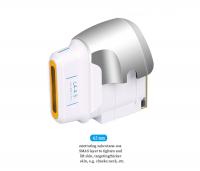
- Dual transducer technology
- 2-year manufacturer warranty
How HIFU Technology Works
The ultrasound waves penetrate three skin layers (SMAS, dermis, epidermis) at precise 60-70°C temperatures, triggering collagen regeneration. Clinical studies show 30% collagen increase after 3 months.
Regional Market Trends
North America dominates with 42% market share, while APAC shows fastest growth (22% CAGR). New EU regulations require Class IIa medical device certification for professional HIFU equipment.
FAQ
Q: Is HIFU safe for all skin types?
A: FDA-cleared for Fitzpatrick skin types I-IV. Avoid if pregnant or with active skin infections.
Q: What certifications should I verify?
A: Look for FDA 510(k), CE Mark, or Health Canada approval depending on your region.
Q: How many sessions are needed?
A: Most users require 1-3 treatments spaced 4-6 weeks apart for optimal results.