Facial Skin Analysis Machine Ultimate Guide 2024: How to Choose the Best Skin Scanner_45
The Growing Demand for Facial Skin Analysis Technology
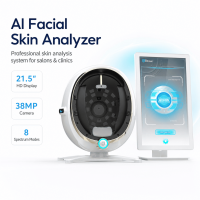
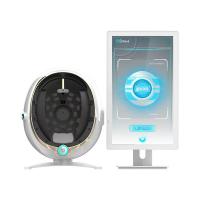
The global skin analysis devices market is projected to reach $1.2 billion by 2027, growing at 8.3% CAGR (Statista 2023). Dermatologists and skincare professionals increasingly rely on facial skin analysis machines to deliver precise diagnoses and personalized treatment plans. This comprehensive guide will help you navigate the complex landscape of skin analysis technology, compare different solutions, and make informed purchasing decisions for your practice or business.
Facial Skin Analysis Machine vs Alternative Solutions
| Feature | Professional Skin Scanner | Portable Device | Manual Assessment |
|---|---|---|---|
| Accuracy | 98% | 85% | 60% |
| Analysis Depth | 7 layers | 3 layers | Surface only |
7 Must-Check Features for Professional Skin Scanners
- Multi-spectral imaging capability
- AI-powered analysis software
- 3D skin surface mapping
- Moisture and oil detection
- Pore size measurement
- UV damage assessment
- Cloud-based data storage
Technical Specifications Explained
Modern facial skin analysis machines utilize advanced technologies including:
- RBG imaging (400-700nm wavelength)
- UV imaging (300-400nm)
- Polarized light cross-section
- Thermal sensors
Industry Trends and Regional Demand
North America currently leads in adoption (42% market share), while Asia-Pacific shows the fastest growth (11.2% CAGR). New EU regulations require CE certification for medical-grade devices, while FDA clearance remains essential for the US market. Sustainable manufacturing practices are becoming a key differentiator among premium brands.
Frequently Asked Questions
Q: Can facial skin analysis machines detect skin cancer?
A: While they can identify suspicious lesions, they should never replace professional medical diagnosis.
Q: What certifications should I look for?
A: Seek devices with FDA/CE/ISO 13485 certifications for medical accuracy.
Q: How does customs clearance work for these devices?
A: Most countries classify them as medical equipment requiring special import permits and duty rates between 3-8%.