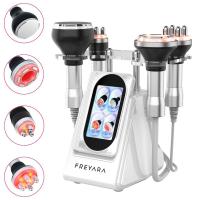
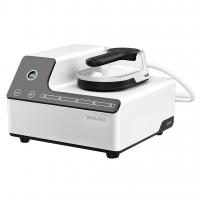
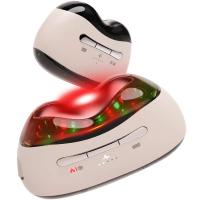
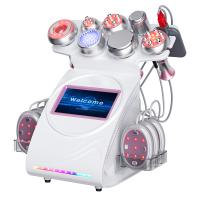
Cosmetic Device Ultimate Guide 2024: How to Choose Professional-Grade Beauty Tools_71
The Complete 2024 Guide to Professional Cosmetic Devices
The global cosmetic device market is projected to reach $28.3 billion by 2027, growing at 11.2% CAGR according to Grand View Research. As demand for non-invasive treatments surges, professionals and consumers alike face three core challenges: identifying medical-grade equipment, understanding evolving technologies, and navigating complex compliance requirements.
Cosmetic Device Buying Guide: 7 Critical Factors
When comparing professional cosmetic devices to consumer-grade alternatives, consider these key differences:
| Feature | Professional Device | Consumer Device |
|---|---|---|
| Power Output | FDA-cleared medical levels | Limited for home safety |
| Treatment Depth | 4-6mm tissue penetration | 1-2mm surface level |
| Durability | 10,000+ treatment cycles | 500-1,000 uses |
7 Must-Check Features for Microcurrent Devices
- FDA 510(k) clearance documentation
- Adjustable intensity (0-1000μA)
- Multi-waveform technology
- Medical-grade titanium probes
- Real-time impedance monitoring
- ISO 13485 certified manufacturing
- 2-year minimum warranty
Technology Deep Dive: How RF Devices Work
Radiofrequency cosmetic devices operate at 0.3-10MHz frequencies, creating controlled thermal injury zones in subcutaneous tissue. The optimal temperature range for collagen remodeling is 60-70°C, achieved through:
- Bipolar vs monopolar configurations
- Automatic temperature feedback systems
- Cooling mechanisms to protect epidermis
Industry Trends: Regional Demand Analysis
North America dominates 38% market share (Statista 2023), with particular demand for:
- US: Combination RF+microneedling devices
- Europe: CE-marked eco-friendly systems
- APAC: Portable devices for mobile clinics
FAQ: Cosmetic Device Compliance
Q: Are these devices suitable for dark skin types?
A: FDA-cleared devices with Fitzpatrick V-VI settings are recommended, using longer wavelengths (1064nm vs 755nm).
Q: What certifications are mandatory?
A> In the US: FDA Class II medical device clearance. In Europe: CE Class IIa or higher under MDR 2017/745.
Q: How to handle customs clearance?
A> Provide HS code 9018.90.60, FDA registration number, and IEC test reports for smooth import.