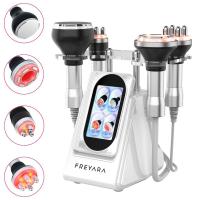
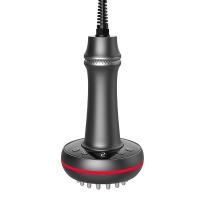
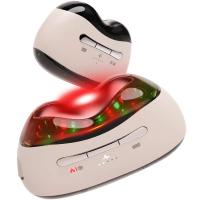
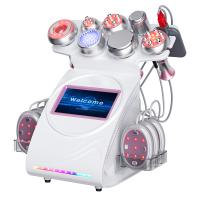
Cosmetic Device Ultimate Guide 2024: How to Choose Professional-Grade Beauty Tools_38
The Rising Demand for Cosmetic Devices: Market Insights
The global cosmetic device market is projected to reach $28.3 billion by 2027, growing at 11.8% CAGR (Statista 2023). This explosive growth stems from increasing consumer demand for non-invasive beauty treatments and professional-grade results at home. However, navigating the crowded market of cosmetic devices presents significant challenges - from understanding technical specifications to identifying truly effective equipment amidst marketing hype.
This comprehensive guide will help you:
- Compare professional vs consumer-grade cosmetic devices
- Identify 7 must-have features in quality facial treatment tools
- Understand key technical specifications that impact results
- Navigate 2024 industry trends and compliance requirements
Cosmetic Device Buying Guide: Professional vs At-Home Solutions
| Feature | Professional Devices | Consumer Devices |
|---|---|---|
| Power Output | Medical-grade (50-1000Hz) | Limited (10-50Hz) |
| Treatment Depth | 4-6mm (dermal layer) | 1-2mm (surface only) |
| Safety Certifications | FDA-cleared, CE medical | CE cosmetic only |
| Price Range | $800-$5000 | $50-$300 |
7 Essential Features to Verify Before Purchase
- FDA clearance or CE medical certification
- Adjustable intensity levels (minimum 3 settings)
- Medical-grade stainless steel or titanium treatment heads
- Clinical study results from independent labs
- Minimum 12-month warranty
- Replaceable treatment tips
- Waterproof rating (IPX6 or higher)
Technical Deep Dive: How Cosmetic Devices Work
Modern cosmetic devices utilize four primary technologies:

1. Microcurrent Technology
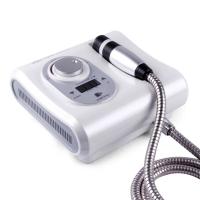
Delivers low-level electrical currents (50-1000μA) to stimulate ATP production and collagen synthesis. Effective devices provide at least 300μA at 50Hz frequency.
2. RF (Radio Frequency)
Heats dermal tissue to 40-45°C, triggering collagen contraction. Look for dual-frequency (0.5-2MHz) for layered treatment.
2024 Industry Trends and Regional Demand
North America dominates 38% market share (Grand View Research), with particular demand for:
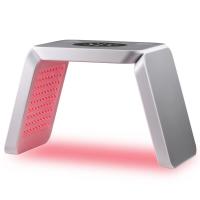
- Multi-function devices combining RF+LED+microcurrent
- Portable designs for mobile estheticians
- Eco-conscious models with rechargeable batteries
New EU regulations (MDR 2023) now classify many cosmetic devices as medical equipment, requiring:
- Clinical performance evaluations
- Post-market surveillance systems
- Unique Device Identification (UDI) registration
Frequently Asked Questions
Are cosmetic devices safe for home use?
FDA-cleared devices with proper training are generally safe. Avoid using near pacemakers or during pregnancy.
What certifications should I look for?
Prioritize devices with FDA 510(k) clearance or CE Mark Class IIa medical certification.
How to handle customs clearance?
Professional devices often require:
- HS Code 9018.90.80 (medical instruments)
- Certificate of Free Sale
- FDA Establishment Registration (for US imports)