Cosmetic Device Buying Guide 2024: How to Choose Professional-Grade Equipment_41
The Growing Demand for Cosmetic Devices
The global cosmetic device market is projected to reach $28.3 billion by 2027, growing at 11.2% CAGR according to Grand View Research. As consumers increasingly seek professional-grade skincare solutions at home, understanding how to select the right cosmetic device becomes crucial. This comprehensive guide covers everything from technical specifications to regional compliance requirements.
Professional vs Home-Use Cosmetic Devices
| Feature | Professional | Home-Use |
|---|---|---|
| Power Output | High (medical-grade) | Low (consumer-safe) |
| Treatment Depth | Dermal layer | Epidermal layer |
| FDA Clearance | Class II required | Class I typical |
7 Must-Check Features for Salon-Quality Devices
- FDA/CE certification status
- Adjustable energy levels
- Multiple treatment modes
- Clinical trial results
- Warranty coverage
- After-sales service network
- Compatible consumables availability
Technical Specifications Explained
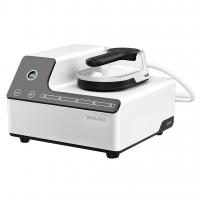
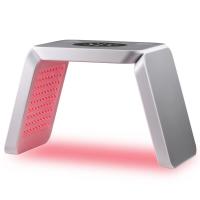
Modern cosmetic devices utilize various technologies including RF, LED, and ultrasonic waves. The frequency range (typically 0.5-3MHz for RF devices) determines treatment depth, while waveform affects comfort level. Leading manufacturers like Lumenis and Syneron follow ISO 13485 standards for medical device production.
Regional Market Variations
- North America: Dominates 38% market share with strict FDA regulations
- Europe: Growing demand for CE-marked devices with eco-design
- Asia-Pacific: Fastest growth (14.7% CAGR) favoring multi-function devices
Frequently Asked Questions
Q: Can cosmetic devices treat acne scars?
A: Professional-grade RF and microneedling devices show 60-75% improvement in clinical studies when used properly.
Q: What certifications are mandatory?
A: FDA 510(k) for US, CE for EU, and KFDA for South Korea. Always verify certification numbers.
Q: How to handle customs clearance?
A: Provide HS code 901890 (medical devices) with original certificates. Some countries require local testing.