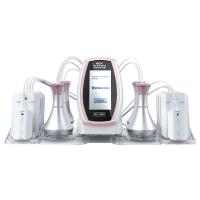
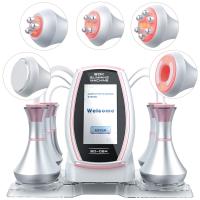
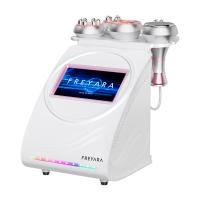
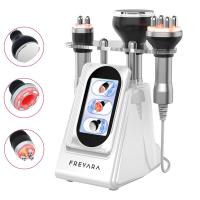
Best Cavitation Machine Ultimate Guide 2024: How to Choose Professional Body Sculpting Equipment_83
The Ultimate Guide to Choosing the Best Cavitation Machine in 2024
The global aesthetic equipment market is projected to reach $28.3 billion by 2027, with cavitation machines leading the non-invasive body contouring segment. As demand grows, professionals face critical challenges: identifying medical-grade devices, understanding RF vs ultrasonic technologies, and complying with evolving FDA regulations. This guide provides a comprehensive framework for selecting equipment that delivers real results while ensuring client safety.
Comprehensive Buying Guide for Cavitation Machines
When investing in professional body sculpting equipment, consider these key factors:
| Feature | Cavitation Machine | Alternative Technologies |
|---|---|---|
| Technology | Ultrasonic/RF waves | Cryolipolysis/Laser |
| Treatment Depth | 1.5-6cm subcutaneous | Surface level |
| Downtime | None | Possible redness |
7 Must-Check Features for Salon-Grade Cavitation Machines
- Dual-frequency ultrasonic (40kHz/25kHz)
- Adjustable RF energy (0.5-2MHz)
- Thermal monitoring system
- FDA/CE certification
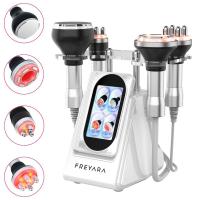
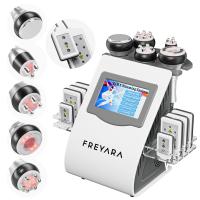
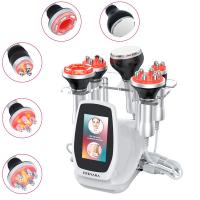
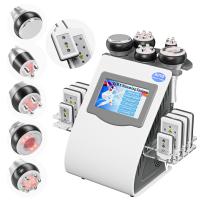
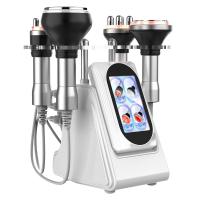
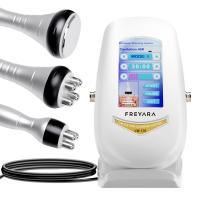
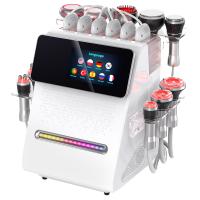
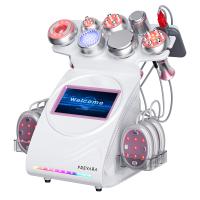
- Multi-handpiece configuration
- Real-time impedance detection
- Automatic shut-off protection
Technical Breakdown of Modern Cavitation Systems
Advanced cavitation machines combine three core technologies:

1. Ultrasonic Cavitation: 40kHz waves create microscopic bubbles in fat cells
2. Radio Frequency: 0.5-2MHz energy stimulates collagen production
3. Vacuum Therapy: Enhances lymphatic drainage
Industry Trends and Regional Demand
North America dominates 38% market share due to strict medical device regulations. The Asia-Pacific region shows fastest growth (9.2% CAGR) with increasing demand for affordable salon equipment. New EU MDR regulations require enhanced clinical documentation for Class IIa devices.
Frequently Asked Questions
Q: Can cavitation machines treat abdominal obesity?
A: FDA-cleared devices can reduce up to 2-4cm circumference per session when combined with proper protocols.
Q: What certifications are mandatory?
A: FDA 510(k) for US markets, CE MDD/MDR for Europe, and ANVISA for Brazil.
Q: How to handle customs clearance?
A: Provide Declaration of Conformity, test reports, and proper HS code classification (9019.20.00).