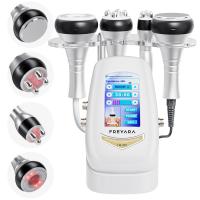
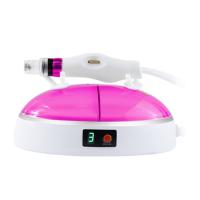
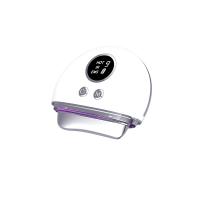
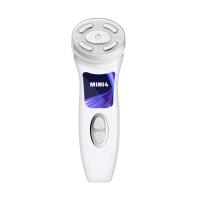
Ultrasonic Skin Cleaning Tool Ultimate Guide 2024: How to Choose Quality Professional Skincare Devices_45
The Ultimate Guide to Ultrasonic Skin Cleaning Tools 2024
The global skincare device market reached $12.3 billion in 2023, with ultrasonic cleaning tools growing at 18.7% annually. Consumers increasingly seek professional-grade solutions for deep pore cleansing and blackhead removal without salon visits. This comprehensive guide addresses the core pain points of product selection, quality verification, and technical understanding while providing actionable insights for both individual users and bulk purchasers.
Comprehensive Procurement Guide
When sourcing ultrasonic skin cleaning tools, understanding the difference between professional and consumer models is crucial. Professional devices typically feature higher frequency settings (120-180kHz), medical-grade materials, and extended warranty periods. Consumer models prioritize user-friendly interfaces and aesthetic designs but may lack durability for commercial use.
| Feature | Professional Grade | Consumer Grade |
|---|---|---|
| Frequency Range | 120-180kHz | 80-120kHz |
| Warranty | 2-3 years | 6-12 months |
| Material | Medical-grade stainless steel | Standard stainless steel |
| Waterproof Rating | IPX7 | IPX4 |
7 Must-Check Features for Professional Ultrasonic Skin Cleaners
1. Frequency adjustment: Multiple settings for different skin types
2. Waterproof certification: Minimum IPX7 rating for safety
3. Battery life: Minimum 60 minutes continuous use
4. Material quality: 316L surgical stainless steel preferred
5. Certification: FDA, CE, RoHS compliance
6. Warranty: Minimum 2 years coverage
7. Accessories: Multiple head attachments included
Technical Specifications Explained
Ultrasonic skin cleaners operate through high-frequency vibrations that create microscopic bubbles in the skin's surface. These bubbles collapse and create gentle implosions that dislodge dirt, oil, and dead skin cells without damaging living tissue. The optimal frequency range for skin applications is 80-180kHz, with higher frequencies providing gentler treatment for sensitive skin.
Medical-grade devices must comply with IEC 60601-1 safety standards for medical electrical equipment. The ultrasonic transducers should maintain consistent frequency output within ±5% variance throughout the battery cycle. Premium manufacturers use piezoelectric ceramic transducers that maintain stability better than cheaper alternatives.
Industry Trends and Market Analysis
According to Statista, the professional skincare device market will reach $18.5 billion by 2026, with North America representing 38% of global demand. European markets show particular interest in medical-grade devices with CE certification, while Southeast Asian markets prioritize waterproof features due to humid climates.
The latest environmental regulations require RoHS compliance for electronic components and REACH certification for materials contacting skin. California Proposition 65 compliance is essential for North American distribution. Many European distributors now require carbon footprint documentation for larger orders.
Frequently Asked Questions
Are ultrasonic skin cleaners suitable for sensitive skin?
Yes, when used with proper frequency settings. Start with lower frequencies (80-100kHz) and gradually increase based on tolerance.
What certifications are required for commercial use?
FDA clearance for medical claims, CE marking for European markets, and RoHS compliance for environmental standards.
How does customs clearance work for these devices?
Medical devices require HS code 901890 and typically face 3.7% import duty in the US. FDA pre-market notification may be required for devices making medical claims.