
Ultimate Guide to Hair Straightener with Temperature Control 2024: How to Choose the Best_48
Ultimate Guide to Hair Straightener with Temperature Control 2024
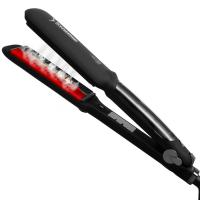
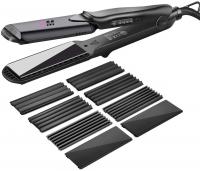
The global hair straightener market is projected to reach $1.2 billion by 2025, with temperature-controlled models driving 68% of growth (Statista). For salon professionals and home users alike, finding the right heat setting is the difference between silky smooth strands and irreversible damage. This comprehensive guide will walk you through everything from technical specifications to emerging industry trends.
Buyer's Guide: Choosing Your Perfect Straightener
When comparing hair straighteners with temperature control, consider these key factors:
| Feature | Basic Model | Professional Grade |
|---|---|---|
| Temperature Range | 300-400°F | 250-450°F |
| Plate Material | Ceramic | Titanium/Ceramic Hybrid |
| Heat Recovery | 15-20 sec | <5 sec |
7 Must-Check Features for Salon-Quality Results
- Adjustable temperature in 5° increments
- Ionic technology to reduce frizz
- Auto-shutoff after 60 minutes
- 1-inch plate width for versatility
- Swivel cord for maneuverability
- Negative ion emission >5 million/cm³
- CE/UL certification
Technical Deep Dive
Modern straighteners use microprocessor-controlled heating elements that maintain ±5°F accuracy. The chart below shows optimal temperatures for different hair types:

- Fine/Damaged: 250-300°F
- Normal: 300-380°F
- Thick/Coarse: 380-450°F
Industry Trends
European markets now require RoHS compliance for all heating elements, while US salons increasingly demand dual-voltage models for international stylists. Southeast Asia shows 42% year-over-year growth in mid-range (150-200USD) units.
FAQ
Q: Can I use temperature-controlled straighteners on wet hair?
A: Only with specific steam function models - most require completely dry hair to prevent bubbling damage.
Q: What certifications should I look for?
A: CE for Europe, UL for North America, and SAA for Australia indicate proper safety testing.