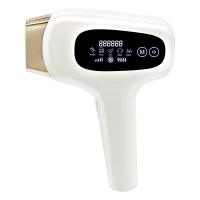
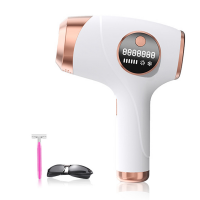
Ultimate Guide to Hair Removal Devices 2024: How to Choose the Best IPL Machine_83
The Complete Guide to Hair Removal Devices in 2024
The global hair removal device market is projected to reach $3.5 billion by 2027, growing at 5.8% CAGR (Statista). As consumers increasingly shift from salon treatments to at-home solutions, choosing the right hair removal technology becomes crucial. This guide will help you navigate through IPL machines, laser devices, and epilators to find your perfect match.
Buyer's Guide: How to Choose Hair Removal Devices
| Feature | IPL Devices | Laser Devices | Epilators |
|---|---|---|---|
| Technology | Intense Pulsed Light | Concentrated Laser | Mechanical Tweezing |
| Pain Level | Mild | Moderate | High |
| Results Timeline | 4-6 weeks | 3-4 weeks | Immediate |
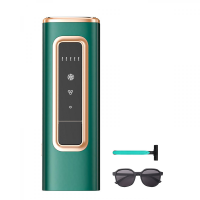
7 Must-Check Features for Professional IPL Machines
- FDA clearance for safety
- Adjustable energy levels (5J/cm² minimum)
- Skin tone sensor technology
- 500,000 flash minimum lifespan
- Cordless operation capability
- Cooling system for comfort
- 90-day money-back guarantee
Technology Deep Dive: How IPL Hair Removal Works
Modern IPL devices use wavelengths between 500-1200nm to target melanin in hair follicles. The chart below shows effectiveness by skin tone:

Top manufacturers like Braun and Philips require devices to meet IEC 60601-2-57 safety standards for optical radiation.
Market Trends: Regional Preferences
North America leads in professional-grade device purchases (42% market share), while Southeast Asia shows fastest growth in budget home devices (18% YoY). New EU regulations now require all hair removal devices to meet RoHS compliance for hazardous substances.
FAQ
Q: Can IPL devices treat facial hair?
A: Yes, but only with specially designed attachments and lower energy settings.
Q: What certifications should I look for?
A: FDA (US), CE (EU), and KC (Korea) marks indicate proper testing.
Q: Are there customs restrictions?
A: Some countries require special import permits for Class II medical devices.