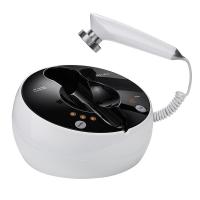
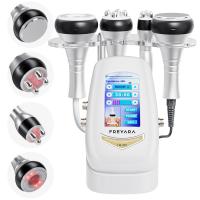
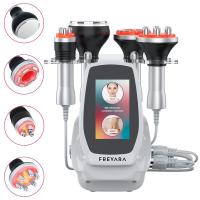
Top 5 Applications of Radio Frequency Equipment in Modern Industries_28
Top 5 Applications of Radio Frequency Equipment in Modern Industries
Introduction
Radio frequency (RF) equipment plays a pivotal role in today's technologically advanced world. From communication systems to medical treatments, RF technology has revolutionized various industries. This article explores the top applications of radio frequency equipment, highlighting its importance and benefits in modern industrial processes.
What is Radio Frequency Equipment?
Radio frequency equipment refers to devices that generate, receive, and process electromagnetic waves within the RF spectrum (3 kHz to 300 GHz). These specialized tools are essential for wireless communication, industrial heating, medical therapies, and scientific research. RF equipment typically includes transmitters, receivers, amplifiers, antennas, and specialized processing units designed for specific applications.
Key Benefits of RF Technology
Radio frequency equipment offers numerous advantages across different sectors. Its non-contact nature allows for precise energy delivery without physical interaction. RF systems provide consistent performance, energy efficiency, and the ability to penetrate various materials. The technology enables wireless communication over long distances while maintaining signal integrity. In medical applications, RF equipment offers minimally invasive treatment options with faster recovery times.
Major Industrial Applications
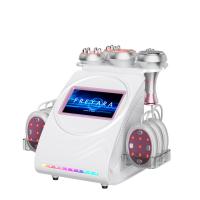
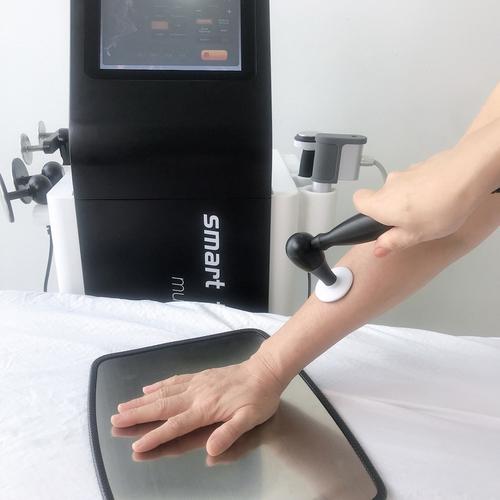
The manufacturing sector extensively uses radio frequency equipment for plastic welding, food processing, and material drying. In telecommunications, RF technology forms the backbone of cellular networks, satellite communication, and radar systems. Medical facilities employ RF equipment for tumor ablation, cosmetic procedures, and diagnostic imaging. Scientific research utilizes specialized RF instruments for spectroscopy, particle acceleration, and space exploration.
Selecting Quality RF Equipment
When choosing radio frequency equipment, consider frequency range, power output, and application-specific features. Look for devices with robust construction, reliable performance, and compliance with international standards. Our company offers premium RF solutions tailored to industrial, medical, and communication needs, ensuring optimal performance and longevity.
FAQs
What safety precautions are needed with RF equipment?
Proper shielding, operator training, and adherence to exposure limits are essential for safe RF equipment operation.
How does RF differ from microwave technology?
While both use electromagnetic waves, RF typically refers to lower frequencies (up to 300 MHz), with microwaves covering higher frequencies (300 MHz to 300 GHz).
Can RF equipment interfere with other electronic devices?
Properly designed RF systems include shielding and filtering to prevent interference with sensitive electronics.
What maintenance does RF equipment require?
Regular inspection, cleaning, and performance testing ensure optimal operation of radio frequency equipment.
How long does RF equipment typically last?
With proper maintenance, quality RF equipment can operate effectively for 7-10 years or more.
Conclusion
Radio frequency equipment continues to transform industries with its versatile applications and technological advancements. For premium RF solutions tailored to your specific needs, explore our product range and contact our experts today.