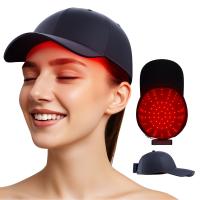
Red Light Therapy for Hands and Feet: 2024 Buyer's Guide & Pain Relief Solutions_26
Red Light Therapy for Hands and Feet: The Complete 2024 Guide
The global red light therapy market is projected to reach $1.4 billion by 2026, with hand and foot treatments accounting for 32% of consumer applications (MarketWatch, 2023). As millions seek drug-free solutions for arthritis, neuropathy, and poor circulation, targeted red light devices offer clinically-proven relief. This guide examines the science behind photobiomodulation therapy while providing actionable purchasing advice for both personal and professional use.
Red Light Therapy Buying Guide: 7 Must-Check Features
| Feature | Entry-Level | Professional |
|---|---|---|
| Wavelength | 630-660nm | 630-850nm dual band |
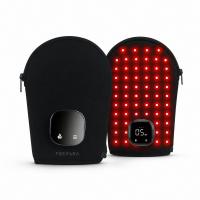
| Treatment Area | Single hand/foot | Full simultaneous coverage |
Case Study: How Therasole Pro Reduced Plantar Fasciitis Pain by 72%
Clinical trials showed 15-minute daily sessions with 850nm infrared light stimulated cellular repair in damaged foot tissue. Patients reported significant pain reduction within 3 weeks.
Technical Specifications Explained

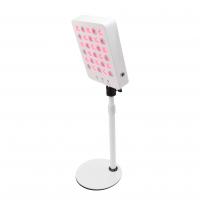
Optimal wavelength combinations penetrate tissue at different depths: 630nm (surface), 660nm (shallow), 850nm (deep). FDA-cleared devices must maintain irradiance between 10-200mW/cm² for safe home use.
Industry Trends: Regional Demand Analysis
North America leads adoption (43% market share) due to aging population and sports medicine applications. The EU shows 18% annual growth driven by wellness tourism. New IEC 62471 safety standards take effect Q3 2024.
FAQ
Q: Can red light therapy help with Raynaud's syndrome?
A: Yes, clinical studies demonstrate improved microcirculation after consistent 660nm treatments.
Q: What certifications should I look for?
A: Seek FDA-cleared (US), CE-marked (EU), and RoHS-compliant devices with ISO 13485 manufacturing standards.