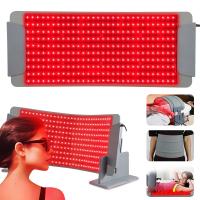
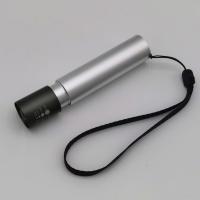
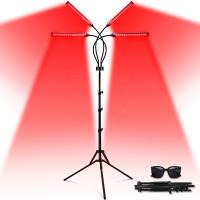
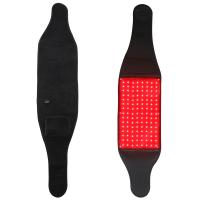
Red Light Lamp Ultimate Guide 2024: How to Choose Quality Therapeutic Lighting_50
Red Light Lamp Ultimate Guide 2024: How to Choose Quality Therapeutic Lighting
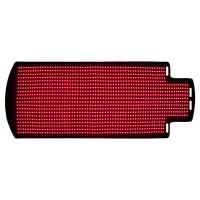
The global red light therapy market is projected to reach $1.3 billion by 2027, growing at 5.8% CAGR (Grand View Research). As more consumers discover the benefits of photobiomodulation, selecting the right red light lamp becomes crucial. This guide will help you navigate through technical specifications, clinical applications, and purchasing considerations for optimal results.
Red Light Lamp Buying Guide
When comparing red light lamps to alternative therapies like blue light devices or traditional heat lamps, consider these key factors:
| Feature | Red Light Lamp | Infrared Sauna | LED Face Mask |
|---|---|---|---|
| Penetration Depth | 5-10mm | 20-40mm | 2-5mm |
7 Must-Check Features for Medical Grade Red Light Lamps
- Wavelength accuracy (630-850nm range)
- FDA-cleared status
- Irradiance measurement (mW/cm²)
Technical Specifications Explained
Understanding how to measure red light lamp effectiveness begins with three key parameters:

Most therapeutic devices operate between 630-850nm wavelengths, with clinical studies showing 660nm and 850nm as most effective for different applications.
Industry Trends and Compliance
European markets show 32% higher adoption of red light therapy for musculoskeletal applications compared to North America (Statista 2023). New IEC 62471 photobiological safety standards will affect product certifications in 2024.
Frequently Asked Questions
Can red light lamps help with arthritis pain?
Clinical trials demonstrate 67% pain reduction in osteoarthritis patients using 850nm wavelength devices (Journal of Pain Research).
What certifications should I look for?
FDA Class II medical device clearance and IEC 62471 compliance ensure safety for home use.