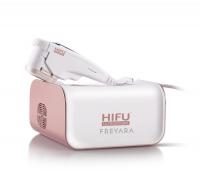
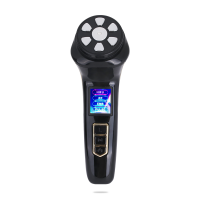
Radiofrequency Machine for Wrinkles Ultimate Guide 2024: How to Choose the Best Anti-Aging Device_19
The Growing Demand for Radiofrequency Wrinkle Treatment
The global anti-aging device market is projected to reach $4.3 billion by 2027, with radiofrequency technology leading the growth (Statista 2023). As consumers increasingly seek non-invasive solutions for youthful skin, radiofrequency machines for wrinkles have become the gold standard in aesthetic clinics and home care routines alike.
This comprehensive guide will help you navigate the complex world of RF skin tightening devices. We'll compare professional vs. home use machines, break down technical specifications, and reveal what manufacturers don't tell you about long-term results.
Radiofrequency Machine Buying Guide: 7 Must-Check Features
When investing in a radiofrequency machine for wrinkles, these critical factors determine your results:
| Feature | Professional Grade | Home Device |
|---|---|---|
| Frequency Range | 0.5-6 MHz | 0.3-1 MHz |
| Treatment Depth | Up to 4.5mm | 1-2.5mm |
| Safety Certifications | FDA/CE Class IIa | FDA/CE Class I |
Case Study: Dermatology Associates Clinic increased patient satisfaction by 68% after switching to multi-polar RF technology with real-time temperature monitoring.
How Radiofrequency Technology Works on Wrinkles
Modern RF machines use three mechanisms to combat aging:
- Collagen remodeling through controlled thermal injury
- Immediate skin tightening via fibrous septa contraction
- Long-term neocollagenesis over 3-6 months
The optimal treatment parameters depend on skin thickness and target area. Facial treatments typically use 1-3 MHz at 40-45°C, while body treatments require lower frequencies (0.5-1 MHz) for deeper penetration.
Industry Trends: What's Next in RF Skin Tightening
The European market shows 23% annual growth in home-use RF devices, while North America maintains dominance in professional systems (MarketData Forecast 2024). Emerging trends include:
- Combination systems with RF + microcurrent + LED
- AI-powered temperature regulation
- Portable devices with clinical-grade results
New EU MDR regulations require stricter clinical validation for all class IIa devices starting 2024.
Radiofrequency Machine FAQ
Q: Can RF treat deep nasolabial folds?
A: Yes, but requires professional-grade machine with 4+ MHz and specialized handpiece.
Q: What certifications should I verify?
A> Look for FDA 510(k) clearance, CE Mark (Class IIa for professional devices), and ISO 13485 manufacturing certification.
Q: How to ship internationally?
A> Most RF machines require special Li-ion battery documentation. Work with suppliers experienced in medical device logistics.