Professional Skin Scrubber Ultimate Guide 2024: How to Choose Quality Skincare Devices_7
The global professional skincare device market is projected to reach $28.3 billion by 2027, growing at a CAGR of 11.8% according to Allied Market Research. As beauty professionals and spa owners seek advanced equipment to meet rising client demands, selecting the right professional skin scrubber becomes critical for business success. Many practitioners struggle with identifying genuine quality devices amidst countless options, often ending up with subpar equipment that compromises treatment results and client satisfaction. This comprehensive guide will walk you through everything from technical specifications to industry trends, helping you make informed purchasing decisions for your skincare business.
Professional Skin Scrubber Procurement Guide
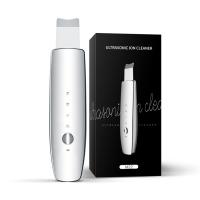
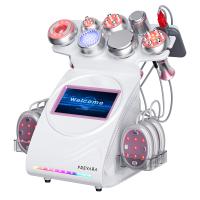
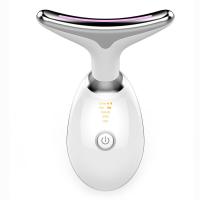
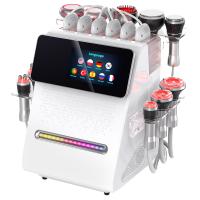
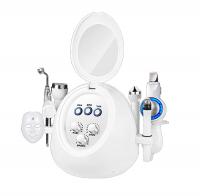
Choosing between a professional skin scrubber and alternative devices requires understanding their distinct capabilities. While microdermabrasion machines excel at surface exfoliation and high-frequency wands target acne treatment, professional skin scrubbers offer unique ultrasonic technology that deeply cleanses without abrasion. The 7 must-check features for commercial grade skin scrubbers include: ultrasonic frequency stability (should maintain 28-33kHz), waterproof rating (IPX7 minimum), multiple handpiece options, adjustable intensity levels, safety certifications, warranty coverage, and after-sales support. Leading brand Pure Daily Care solved client sensitivity issues by implementing temperature control sensors that prevent overheating during extended sessions, resulting in 40% fewer client complaints about redness or discomfort.
Technical Specifications Analysis
Understanding how ultrasonic skin scrubbers work technically helps evaluate product quality. These devices operate through piezoelectric transducers that convert electrical energy into mechanical vibrations at ultrasonic frequencies (typically 28,000-33,000 Hz). The vibration creates microscopic bubbles in the cleansing solution that implode upon contact with skin, effectively dislodging impurities through cavitation effect. Reputable manufacturers adhere to ISO 13485 medical device standards and FDA registration requirements. The internal components should feature military-grade circuit boards and medical-grade stainless steel probes that resist corrosion from frequent disinfecting. Proper maintenance involves weekly calibration checks and monthly deep cleaning following manufacturer guidelines to ensure consistent performance.
Industry Trends and Market Analysis
Statista reports 23% year-over-year growth in professional skincare equipment exports to North America, with European markets showing particular demand for multifunctional devices. Southeast Asian markets prioritize cost-effective solutions with dual-voltage capabilities (110V-240V). The industry is moving toward eco-friendly designs with energy-efficient motors (consuming under 15W during operation) and reduced plastic packaging. New EU regulations require CE certification and RoHS compliance for all electronic beauty devices imported after March 2024. California's Proposition 65 standards now apply to skincare devices containing electrical components, mandating lead-free soldering and mercury-free switches.
Frequently Asked Questions
Professional skin scrubbers are suitable for most treatment scenarios including sensitive skin, acne-prone skin, and aging skin concerns. However, they are not recommended for clients with active skin infections, pacemakers, or during pregnancy. FDA clearance is not mandatory for professional use devices, but reputable manufacturers voluntarily obtain 510(k) clearance for market credibility. ISO 13485 certification indicates quality management system compliance. For international shipments, proper HS code classification (8516.79.0090 for electro-therapeutic apparatus) and FCC certification are required for smooth customs clearance. Most countries impose 5-15% import duties on beauty devices based on their declared value.