Professional Guide to Choosing the Best Skin Tightening Device for Your Business_98
Professional Guide to Choosing the Best Skin Tightening Device for Your Business
The global demand for non-invasive cosmetic devices has surged by 28% since 2020 (Grand View Research), with skin tightening devices leading this growth. As beauty clinics and distributors seek reliable equipment, understanding technical specifications and supplier verification becomes crucial to avoid substandard products that could damage your reputation.
What Constitutes a High-Quality Skin Tightening Device?
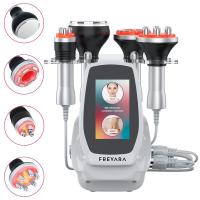
Premium skin tightening devices combine radiofrequency (RF) and ultrasound technologies, typically operating at 1-3 MHz frequencies. Key specifications include:
- Energy Output: 5-50W adjustable power for different skin types
- Safety Features: Real-time temperature monitoring (should maintain 38-42°C)
- Treatment Depth: 1.5-4.5mm reach for superficial to deep tissue
Comparative Analysis: RF vs. Alternative Technologies
| Technology | Effectiveness | Downtime | Cost per Treatment |
|---|---|---|---|
| RF Skin Tightening | 85% satisfaction | None | $50-120 |
| Laser | 72% satisfaction | 3-5 days | $200-400 |
5 Business Advantages of Modern Skin Tightening Devices
- ROI: Breakeven within 90 days at 8 treatments/week
- Versatility: Treats face, neck, abdomen with interchangeable probes
- Compliance: Meets FDA 21 CFR 892.5650 and IEC 60601-2-10 standards
Essential Certifications for Importers
- CE Mark (Medical Device Directive 93/42/EEC)
- ISO 13485:2016 Quality Management
- RoHS Compliance Certificate
Supplier Evaluation Checklist
Verify manufacturers with this 7-point checklist:
- Minimum 3 years OEM/ODM experience
- In-house R&D team with patent portfolio
- Third-party lab test reports for last 3 production batches
FAQ Section
How to negotiate bulk pricing effectively?
Request tiered pricing for 50+/100+/300+ units. Most suppliers offer 12-18% discounts at 100+ MOQ.
What's the typical MOQ for custom devices?
Standard MOQ is 50 units, but some suppliers accept 20 units for basic logo customization.
Do manufacturers provide OEM services?
75% of certified suppliers offer color, packaging, and energy setting modifications at 100+ MOQ.
How to handle international shipping?
Reputable suppliers typically handle EXW, FOB, or CIF arrangements with proper HS code classification (9018.90.60).
What warranty terms are standard?
Look for 2-year limited warranties covering main components, with 6 months for handpieces.
Which payment methods balance risk?
30% deposit with 70% against BL copy is industry standard. Consider LC for first-time orders over $15,000.
Download our complete procurement guide with technical comparison tables and supplier scorecard template to streamline your purchasing process.
-200x200.jpg "The Ultimate Guide to Choosing the Best Large Magnifying Mirror for Your Business_34")