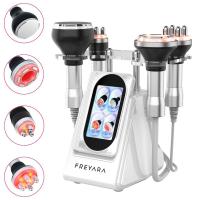
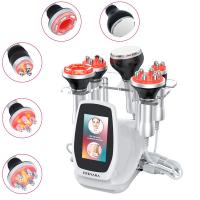
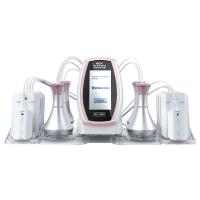
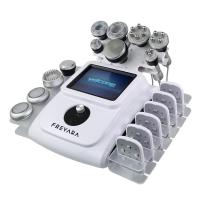
Professional Cavitation Machine Buyer's Guide 2024: How to Choose the Best Fat Removal Device_97
The Ultimate Guide to Professional Cavitation Machines in 2024
The global non-invasive fat reduction market is projected to reach $14.9 billion by 2027 (Grand View Research), with professional cavitation machines driving 32% of spa equipment purchases. As clinic owners struggle to balance treatment efficacy with equipment ROI, selecting the right cavitation technology becomes critical. This guide will walk you through technical specifications, regional compliance standards, and operational best practices.
Comprehensive Purchasing Guide
| Feature | Ultrasonic Cavitation | RF Cavitation |
|---|---|---|
| Technology | 40kHz sound waves | Radio frequency |
| Depth | 1-2cm subcutaneous | Up to 4cm |
| Best For | Localized fat | Cellulite reduction |
7 Must-Check Features for Medical-Grade Cavitation Machines
- FDA/CE certification documentation
- Adjustable frequency (28-45kHz range)
- Thermal safety cutoff
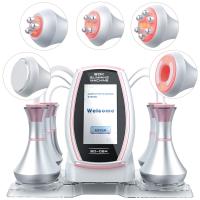
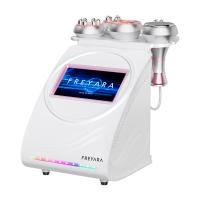
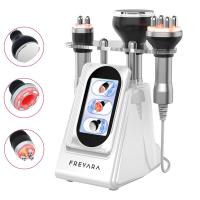
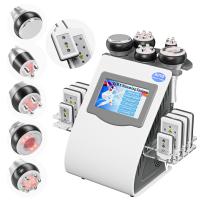
- Dual-handpiece configuration
- 500+ hour handpiece lifespan
- IPX6 waterproof rating
- 2-year manufacturer warranty
Technical Deep Dive
Modern cavitation machines utilize three core technologies:

1. Ultrasonic Transducers: Generate 40kHz waves creating microbubbles in adipose tissue
2. RF Electrodes: Deliver bipolar radiofrequency at 0.5-2MHz for collagen stimulation
3. Vacuum Systems: Enhance lymphatic drainage (3-5Hg optimal pressure)
Market Trends Analysis
Regional demand variations (2023 data):
- North America: 47% prefer multi-modality machines
- EU: Strict compliance with RED 2014/53/EU
- Southeast Asia: Growing demand for portable units
FAQ Section
Can cavitation machines treat visceral fat?
No. Professional cavitation only affects subcutaneous adipose tissue (1-4cm depth).
What certifications are mandatory?
FDA 510(k) for US, CE MDD for Europe, and ANVISA for Brazil.
How to handle customs clearance?
Provide IEC 60601-1 safety test reports and original COO documents.