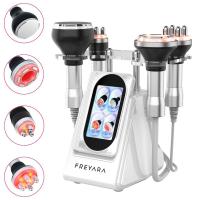
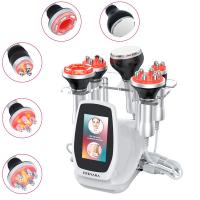
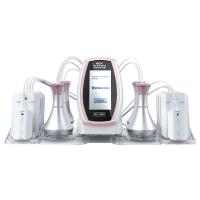
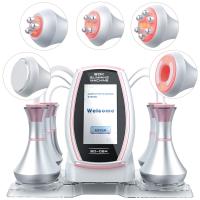
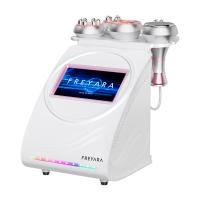
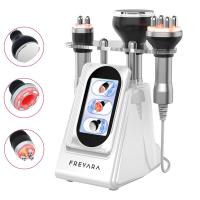
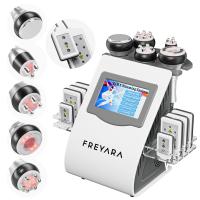
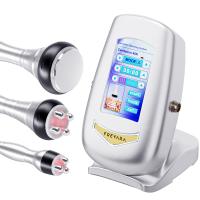
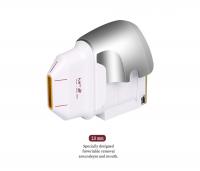
Cavitation Fat Removal Machine Ultimate Guide 2024: How to Choose the Best Non-Surgical Body Sculpting Device_82
The Complete Guide to Cavitation Fat Removal Machines in 2024
The global non-surgical fat reduction market is projected to reach $1.9 billion by 2027, growing at 14.2% CAGR according to Grand View Research. As demand for minimally invasive body contouring solutions surges, cavitation fat removal machines have emerged as one of the most sought-after aesthetic devices. This comprehensive guide will help you navigate the complex landscape of ultrasonic cavitation technology, whether you're a clinic owner, spa professional, or individual seeking effective fat reduction solutions.
Buyer's Guide: Choosing the Right Cavitation Machine
| Feature | Professional Grade | Home Use |
|---|---|---|
| Frequency Range | 25-45kHz | 30-40kHz |
| Power Output | 50-100W | 15-30W |
| Treatment Area | Full body | Small areas |
| FDA Clearance | Required | Recommended |
7 Must-Check Features for Professional Cavitation Machines
- Medical-grade ultrasonic transducers
- Adjustable frequency settings
- Real-time temperature monitoring
- Multiple handpiece options
- CE/FDA certifications
- After-sales service network
- Clinical result documentation
Technical Deep Dive: How Cavitation Machines Work
Ultrasonic cavitation utilizes low-frequency sound waves (typically 30-45kHz) to disrupt fat cell membranes through a physical phenomenon called acoustic cavitation. The process creates microscopic bubbles in adipose tissue that implode, breaking down triglycerides into free fatty acids that are metabolized naturally.

Key Technical Specifications
- Frequency accuracy: ±1kHz
- Penetration depth: 4-6cm
- Treatment duration: 20-40 minutes per session
- Recommended interval: 72 hours between treatments
Industry Trends and Regional Demand
The North American market dominates with 38% revenue share (Statista 2023), while Asia-Pacific shows the fastest growth at 18% CAGR. New developments include:
- Combination RF+cavitation devices
- Portable wireless models
- AI-powered treatment tracking
Frequently Asked Questions
Is cavitation safe for all body types?
While generally safe, cavitation isn't recommended for pregnant women, individuals with pacemakers, or those with liver/kidney disorders. Always consult a medical professional first.
What certifications should I look for?
FDA 510(k) clearance for medical devices, CE certification for European markets, and ISO 13485 for quality management systems.
How to maintain cavitation machines?
Regular transducer calibration (every 6 months), proper gel application, and following manufacturer's sterilization protocols are essential.