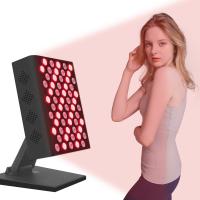
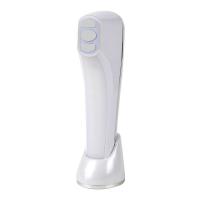
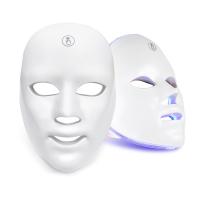
Portable RF Beauty Machine Ultimate Guide 2024: How to Choose Quality Skin Care Devices_5
The Ultimate Guide to Portable RF Beauty Machines: 2024 Market Insights
The global aesthetic device market is projected to reach $32.3 billion by 2028, with portable RF beauty machines driving 23% of this growth according to Grand View Research. These innovative devices address the critical pain point of consumers seeking professional-grade skin treatments without the high costs and time commitments of clinic visits. This comprehensive guide will walk you through procurement strategies, technical specifications, industry trends, and practical applications to help you make informed decisions.
Procurement Guide: Selecting Your Ideal Portable RF Machine
| Feature | Portable RF Machine | Alternative Devices |
|---|---|---|
| Treatment Depth | 2-4mm (reaches dermis) | 0.5-1mm (surface only) |
| Portability | Fully portable | Stationary units |
| Cost per Session | $2-5 | $150-300 |
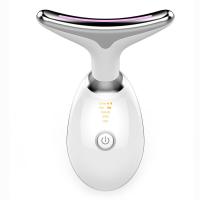
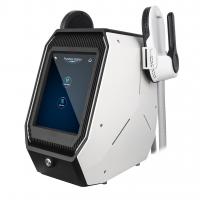
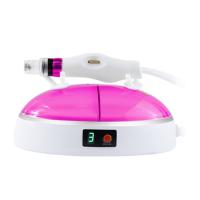
When evaluating portable RF beauty machines, consider these 7 essential features: Multi-frequency settings (0.5-3MHz), temperature control safety mechanisms, FDA clearance status, ergonomic design, battery life exceeding 60 minutes, interchangeable head options, and real-time skin resistance monitoring. The RoseSkinCo Lumi model demonstrates how proper engineering solves common collagen stimulation challenges through patented bipolar RF technology that maintains consistent 42°C tissue temperature.
Technical Deep Dive: How Portable RF Technology Works
Radio frequency technology operates by generating electromagnetic waves that create controlled thermal effects in the dermal layer. The optimal frequency range for portable devices typically spans 0.5-3MHz, with higher frequencies providing more superficial treatment and lower frequencies reaching deeper tissue layers. Modern portable RF machines incorporate intelligent impedance matching that automatically adjusts power output based on skin conductivity measurements.
Manufacturing standards require compliance with IEC 60601-2-10 for medical electrical equipment, including specific protocols for leakage current testing and electromagnetic compatibility. Reputable manufacturers typically hold ISO 13485 certification and FDA establishment registration, ensuring consistent quality control across production batches.
Industry Trends and Market Analysis
North America dominates portable RF machine adoption with 42% market share, while Southeast Asia shows the fastest growth at 18% CAGR according to Statista. The rising demand stems from increasing disposable income combined with growing awareness of non-invasive aesthetic procedures. Environmental regulations now require RoHS compliance for electronic components and REACH certification for device surfaces contacting skin.
Frequently Asked Questions
Are portable RF machines suitable for sensitive skin? Most modern devices include sensitivity settings and contact cooling systems. Always perform a patch test 24 hours before full treatment.
What certifications should I look for? Prioritize FDA clearance, CE marking, and RoHS compliance. Medical-grade devices should have ISO 13485 certification.
How does customs clearance work? Devices typically classify under HS code 9018.90.90. Required documentation includes certificate of origin, commercial invoice, and declaration of conformity.