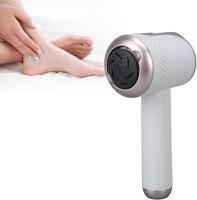
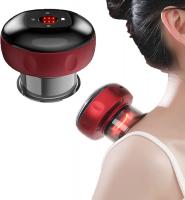
Pedicure Electric Callus Remover Ultimate Guide 2024: How to Choose Professional Foot Care Tools_26
The Ultimate Guide to Pedicure Electric Callus Removers 2024
The global foot care market is projected to reach $3.8 billion by 2025, with electric callus removers representing the fastest-growing segment. Many consumers struggle with rough, cracked heels and painful calluses that traditional methods fail to address effectively. This comprehensive guide will help you navigate the world of professional foot care devices, compare top models, and make informed purchasing decisions for both personal and commercial use.
Comprehensive Buying Guide for Electric Callus Removers
Choosing the right electric callus remover requires understanding key differences between products. Professional salon models typically feature higher RPM motors and ceramic rollers, while home units prioritize safety features and ease of use.
| Feature | Professional Models | Home Use Models |
|---|---|---|
| Motor Speed | 12,000-15,000 RPM | 8,000-10,000 RPM |
| Roller Material | Ceramic/Surgical Steel | Diamond/Standard Steel |
| Waterproof Rating | IPX7 Full waterproof | IPX4 Splash proof |
7 Must-Check Features for Professional Pedicure Equipment
When evaluating commercial-grade pedicure equipment, verify these essential features: variable speed settings, automatic rotation direction, multiple roller grit options, ergonomic design, quiet operation, safety certifications, and warranty coverage. Leading brands like Medicool and Profoot incorporate medical-grade materials that ensure hygiene and durability.
Technical Specifications Explained
Modern electric callus removers utilize advanced friction technology with precision-engineered rollers that gently exfoliate dead skin without damaging healthy tissue. The optimal speed range of 8,000-12,000 RPM provides efficient removal while maintaining safety.
How to properly use an electric foot file: Begin with clean, dry feet. Select the appropriate roller grit (coarse for thick calluses, fine for maintenance). Hold the device at a 45-degree angle and move in gentle, circular motions. Avoid applying excessive pressure as the device's weight should provide sufficient contact.
Manufacturing standards require compliance with IEC 60335-1 for household appliances and IEC 60601-1 for medical electrical equipment. Look for CE, FDA, and RoHS certifications when sourcing professional devices.
Industry Trends and Market Analysis
The foot care devices market shows consistent 5.2% annual growth, with North America representing 38% of global demand. European markets prioritize CE-certified devices with medical approvals, while Southeast Asian markets show increasing demand for affordable home models.
Environmental regulations now require compliance with WEEE directives for electronic waste and REACH regulations for chemical safety. Many manufacturers are transitioning to recyclable packaging and energy-efficient production methods.
Frequently Asked Questions
Can electric callus removers be used on diabetic feet? Consult a healthcare professional before use. Some models are specifically designed for diabetic foot care with extra safety features.
What certifications are required for commercial use? Salon equipment typically requires CE, UL, or ETL certification depending on the target market. Medical device classifications vary by country.
Are there import restrictions for electric callus removers? Most countries classify these devices as personal care appliances. Check specific regulations for lithium battery restrictions and voltage compatibility requirements.
Expert Tip: For commercial use, select devices with hospital-grade sterilization compatibility and replaceable rollers to maintain hygiene standards.
When sourcing from international suppliers, verify compliance with destination market regulations and obtain necessary documentation for customs clearance. Proper classification under HS code 8516.79.00 typically applies to electro-mechanical appliances for personal care.