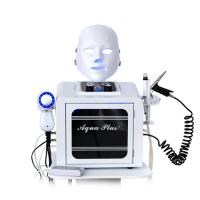
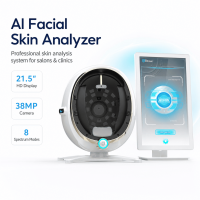
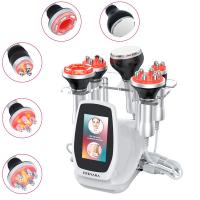
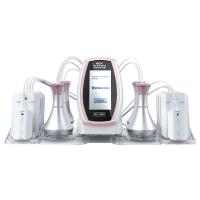
Oxygen Dermabrasion Machine Ultimate Guide 2024: How to Choose the Best Skin Resurfacing Device_13
The Complete Guide to Oxygen Dermabrasion Machines in 2024
The global aesthetic devices market is projected to reach $28.3 billion by 2027, with oxygen dermabrasion machines leading the non-invasive skincare segment. These innovative devices combine oxygen infusion with mechanical exfoliation to address multiple skin concerns without downtime. This guide will help you navigate the technical specifications, compare professional and home models, and make informed purchasing decisions.
Oxygen Dermabrasion Machine Buying Guide
When evaluating oxygen dermabrasion equipment, consider these critical factors:
| Feature | Professional Grade | Home Use |
|---|---|---|
| Power Output | 100-150W | 30-60W |
| Treatment Depth | 0.2-0.5mm | 0.1-0.3mm |
| Oxygen Pressure | 2-4 bar | 1-2 bar |
7 Must-Check Features for Professional Oxygen Facial Machines
- Medical-grade stainless steel handpiece
- Adjustable suction levels (minimum 15Hg)
- HEPA filtration system
- Multiple tip sizes (3mm-7mm)
- Ozone-free oxygen generation
- CE/FDA certification
- Warranty coverage (minimum 2 years)
Technical Specifications Explained
The oxygenation process combines three mechanisms:
- Mechanical exfoliation (aluminum oxide crystals or diamond tips)
- Pressurized oxygen infusion (90-95% purity)
- Negative pressure suction (15-25Hg)
Leading manufacturers like HydraFacial and Trophy Skin comply with ISO 13485 medical device standards. Look for machines with automatic pressure regulation to prevent tissue damage.
Industry Trends and Regional Demand
North America dominates 42% of the market share, while APAC shows the fastest growth at 18.7% CAGR. New EU regulations require:
- REACH compliance for all materials
- RoHS certification for electronic components
- Clinical efficacy reports
Frequently Asked Questions
Q: Can oxygen dermabrasion treat acne scars?
A: Clinical studies show 60-75% improvement in shallow scars after 6-8 sessions with professional-grade equipment.
Q: What certifications are mandatory?
A: FDA Class II medical device clearance for US imports, CE Mark for Europe, and TGA approval for Australia.
Q: How to handle customs clearance?
A: Provide HS code 90189020 with IEC 60601-1 safety test reports. Some countries require import licenses for medical aesthetic devices.