Microneedling vs Dermaroller: The Ultimate Guide 2024 for Flawless Skin_60
Introduction: The Rising Demand for Skin Rejuvenation
The global microneedling market is projected to reach $1.2 billion by 2027, growing at 7.9% CAGR (Grand View Research). As consumers seek effective solutions for acne scars, wrinkles, and skin texture improvement, the debate between microneedling and dermarollers intensifies. This guide will analyze both methods through clinical data and user experiences, helping you make informed decisions for your skincare regimen.
Key Pain Points Addressed:
- Confusion about device selection
- Safety concerns for home use
- Treatment effectiveness comparison
Purchase Guide: Choosing Your Skin Treatment
| Feature | Microneedling | Dermaroller |
|---|---|---|
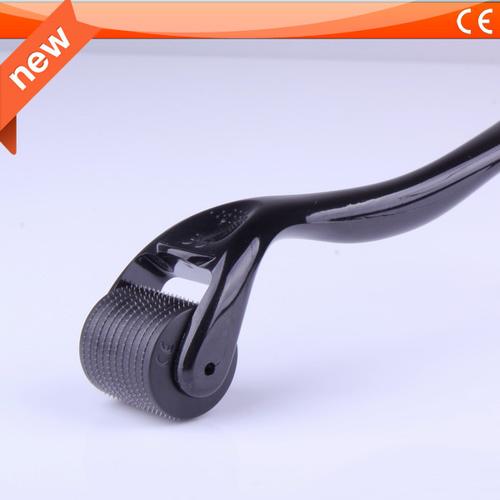
| Needle Length | 0.5-2.5mm (adjustable) | 0.2-1.0mm (fixed) |
| Treatment Depth | Precise penetration | Uniform penetration |
7 Must-Check Features for Acne Scar Treatment:
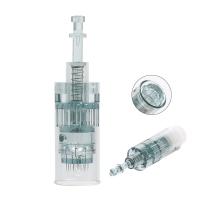
- Medical-grade stainless steel needles
- Sterilization compatibility
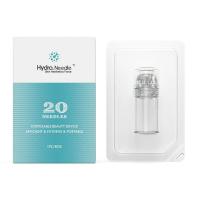
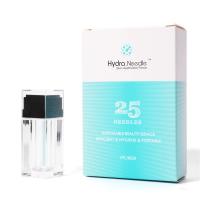
- Needle configuration density
Technical Breakdown
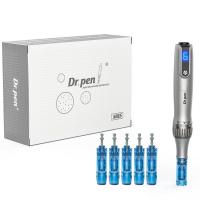
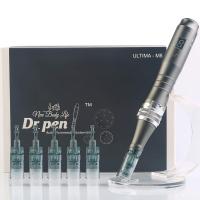
Modern microneedling devices utilize automated vertical penetration technology, reaching depths up to 3mm for severe scarring. The optimal frequency ranges between 500-1500 RPM, ensuring minimal tissue damage while maximizing collagen production.
Manufacturing Standards:
- FDA-cleared devices
- ISO 13485 certification
- CE marking for European markets
Industry Trends
North America dominates 42% of the professional microneedling market, while Asia-Pacific shows fastest growth at 9.1% CAGR. New hybrid devices combining RF energy with microneedling are gaining popularity among dermatologists.
FAQ Section
Can I use these treatments for stretch marks?
Clinical studies show 60-80% improvement in stretch marks after 3-6 microneedling sessions when combined with topical growth factors.