Microneedling Pen vs Dermaroller: Which is Better for Your Skin?_26
Microneedling pens and dermarollers are both popular tools for skin rejuvenation, but they work differently. While dermarollers use a rolling mechanism with tiny needles, microneedling pens employ a stamping motion with adjustable depth settings for more precision.
1. microneedling pen benefits2. dermaroller side effects
3. best microneedling tool for beginners
1. microneedling pen benefits
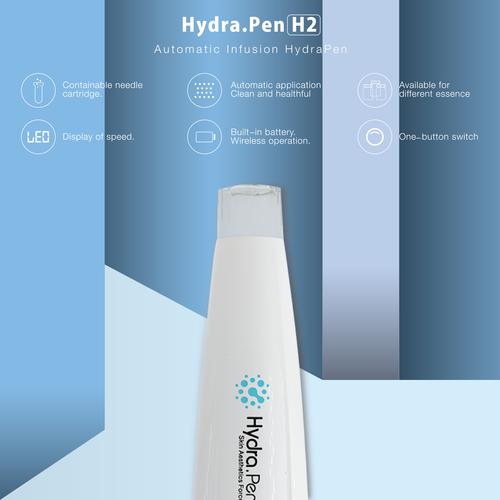
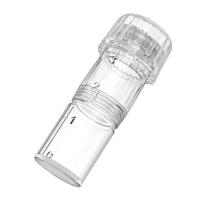
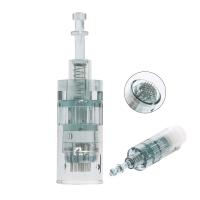
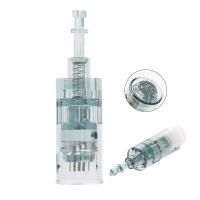
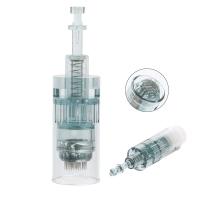
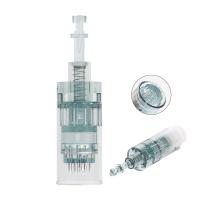
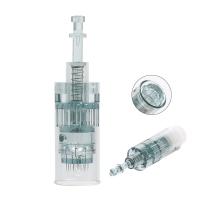
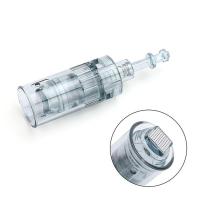
Microneedling pens offer several advantages over traditional dermarollers. The adjustable needle depth allows for customized treatments ranging from 0.25mm to 2.5mm, making them suitable for different skin concerns. Unlike dermarollers that drag across the skin, pens use a vertical stamping motion that creates cleaner micro-channels with less irritation. This precision enables better targeting of specific areas like acne scars or wrinkles. Most professional-grade pens feature disposable needle cartridges for hygiene and multiple speed settings. Clinical studies show pen devices stimulate more consistent collagen production due to their uniform needle penetration. The ergonomic design also provides better control, especially around delicate areas like the eyes and mouth. Many dermatologists prefer pens because they cause less trauma to the skin while delivering comparable or better results than rolling devices.
2. dermaroller side effects
While dermarollers are more affordable, they come with potential side effects users should consider. The rolling motion can cause uneven needle penetration, leading to micro-tears in the skin. This increases risks of irritation, redness, and even infection if not properly sterilized. Some users report a "sandpaper" effect from the dragging motion, especially with longer needles. Dermarollers may spread bacteria across the face if used on active acne. The fixed needle length limits treatment versatility compared to adjustable pens. Improper technique with dermarollers can cause skin damage, including hyperpigmentation in darker skin tones. The device's curved surface makes it difficult to treat smaller areas precisely. However, when used correctly with proper aftercare, most side effects are temporary and mild.
3. best microneedling tool for beginners
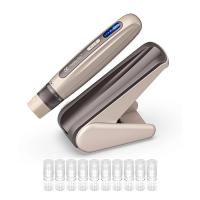
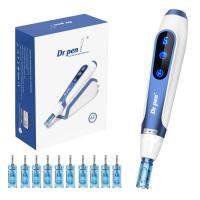
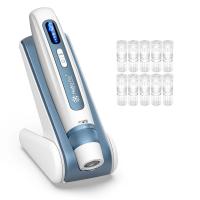
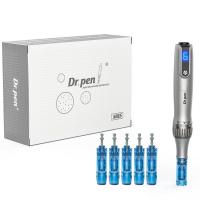
For beginners, electric microneedling pens with safety features are often recommended over manual dermarollers. Look for pens with depth adjustment locks to prevent accidental needle length changes during use. Automatic pens that control needle speed help maintain consistent pressure. Devices with LED displays for tracking treatment time are user-friendly. Starter kits should include multiple needle cartridges of varying lengths for different skin concerns. Many experts suggest beginning with shorter 0.25mm needles for general skincare before progressing to deeper treatments. Some pens feature vibration modes that help distract from any discomfort. Compared to dermarollers, pens typically require fewer passes over the skin, reducing potential irritation for sensitive users. Always choose medical-grade titanium needles and ensure the device has proper certification for home use.
Whether you choose a microneedling pen or dermaroller depends on your skincare goals, budget, and comfort level. Pens offer precision and customization for targeted treatments, while dermarollers provide a more affordable entry point. Both tools stimulate collagen production when used properly, but pens generally deliver more consistent results with less irritation. Consider your specific skin concerns, pain tolerance, and desired outcomes when selecting between these microneedling options. Proper aftercare including hydration and sun protection remains crucial regardless of your chosen device.
In conclusion, both microneedling pens and dermarollers can effectively improve skin texture and appearance. Pens provide more control and customization for serious skincare enthusiasts, while dermarollers serve as a budget-friendly introduction to microneedling. Your individual needs, skin type, and treatment goals should guide your decision between these two popular collagen induction therapy tools.