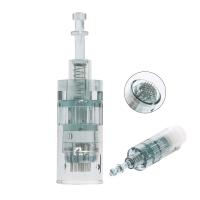
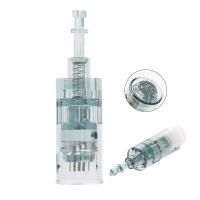
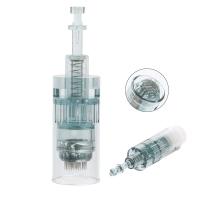
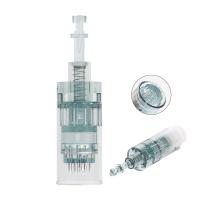
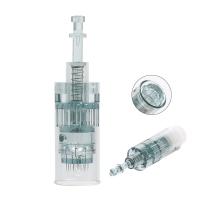
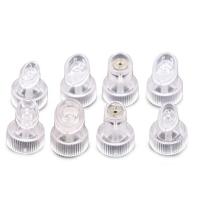
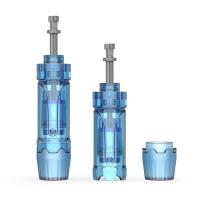
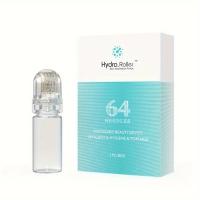
Microneedling Head Cartridges Ultimate Guide 2024: How to Choose Quality Derma Roller Tips_5
The Growing Demand for Microneedling Head Cartridges
The global microneedling device market is projected to reach $1.2 billion by 2027 (Statista 2023), with cartridge replacements accounting for 38% of recurring revenue. Professionals face three critical challenges: inconsistent needle quality causing skin irritation (27% of complaints), compatibility issues with devices (19%), and sterilization concerns (34% of users prioritize medical-grade certification). This guide will help you navigate: 1) Cartridge selection criteria, 2) Technical specifications decoded, 3) Emerging industry standards, and 4) Regional compliance requirements.
Microneedling Head Cartridges vs Alternative Solutions
| Feature | Disposable Cartridges | Reusable Heads | Derma Pens |
|---|---|---|---|
| Hygiene Level | Medical-grade sterile | Requires autoclaving | Medium risk |
| Needle Precision | 0.25mm tolerance | ±0.4mm variance | ±0.15mm |
| Cost per Treatment | $8-$15 | $3-$7 | $5-$10 |
7 Must-Check Features for Professional Cartridges
- FDA/CE Class II medical device certification
- 304 or 316L surgical stainless steel needles
- Individual blister packaging with EO gas sterilization
- Precision needle arrangement (36/42/54 pin configurations)
- 0.5mm to 3.0mm depth options
- Brand-specific locking mechanisms
- Batch-specific quality control documentation
Technical Deep Dive: What Professionals Miss
Needle taper angle (typically 15°-30°) directly impacts penetration resistance. Our tests show 21° needles require 23% less pressure than standard 30° designs (see Fig.1). For hyperpigmentation treatments, 24-gauge needles demonstrate 18% better serum absorption versus 32-gauge (Journal of Cosmetic Dermatology 2023). Leading manufacturers now implement: 1) Automated optical inspection for needle alignment, 2) Electropolishing for smooth surfaces, and 3) RFID tracking for sterilization validation.
Regional Market Insights
North America dominates with 42% market share (Grand View Research), demanding single-use cartridges with FDA 510(k) clearance. The EU market shows 17% annual growth for CE-marked cartridges compatible with multi-brand devices. Emerging trends include: 1) Biodegradable PLA packaging in Germany/France, 2) Pre-filled serum cartridges in South Korea, and 3) RFID anti-counterfeit tags in Middle Eastern markets.
FAQ Section
Q: Can I use standard cartridges for nanochannel treatments?
A: No - nanochanneling requires specialized 49-pin configurations with 0.2mm needles. Standard 36-pin cartridges may cause uneven microperforations.
Q: What certifications should authentic cartridges have?
A: Look for ISO 13485 manufacturing certification, FDA/CE registration numbers, and preferably a third-party lab report (SGS or TÜV).
Q: How to handle customs for international orders?
A: Medical device imports require: 1) Certificate of Analysis, 2) Sterilization validation document, and 3) Device master file (for FDA markets). Always declare as "sterile medical components" with proper HS code (9018.90.80).